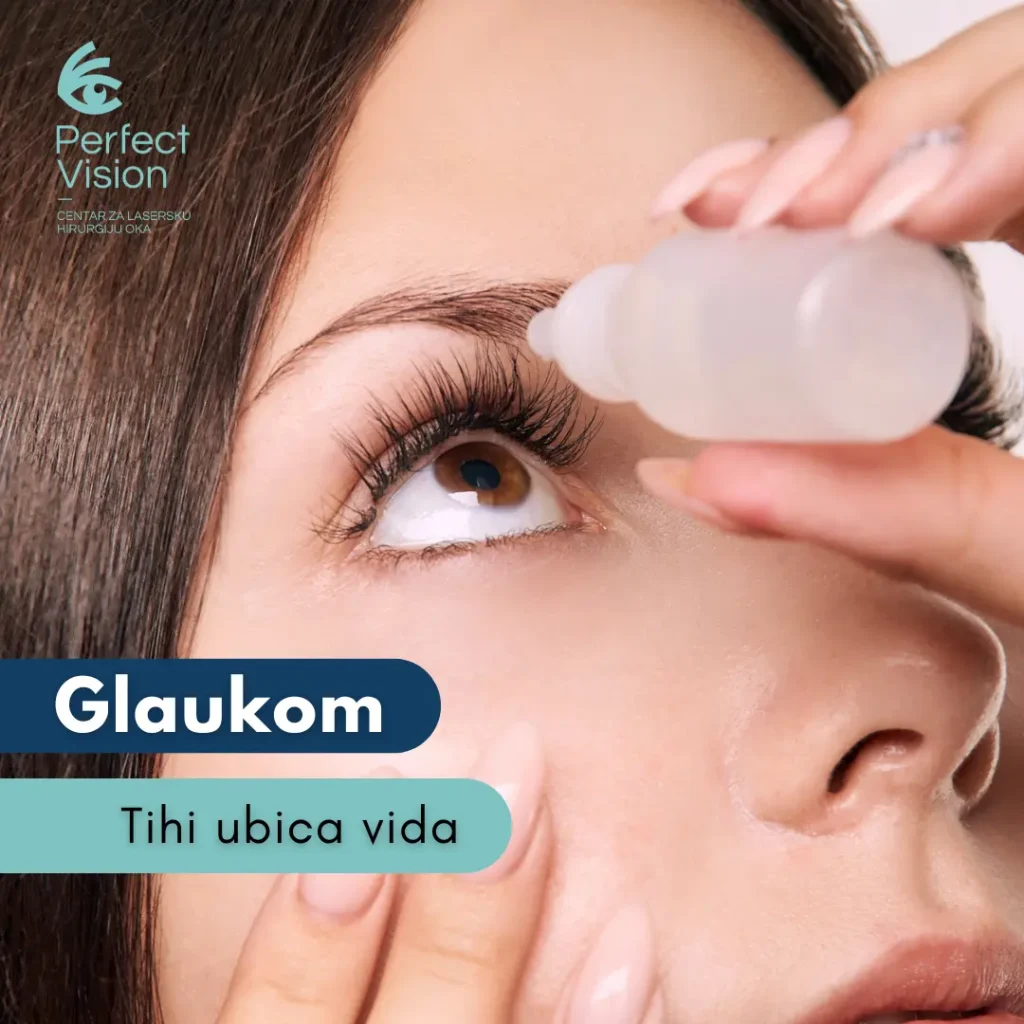
Meibomian gland expression – the key to the health of your tear film and clear vision
What are Meibomian glands? Meibomian glands are small glands located in the eyelids that produce the lipid (fatty) component of…
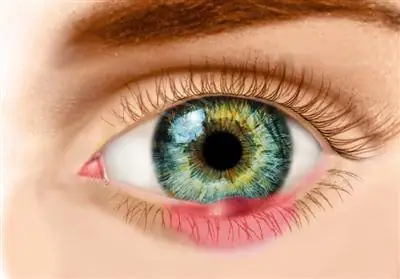
Inflammation of the sebaceous glands of the upper or lower eyelid is called a chordeolum. A stye can be localized on both the outer and inner edge of the eyelid itself. The edge of the eyelid is thickened, there is a swollen, hard, painful change in the form of a “ball”. The swelling can be so large that it completely closes the opening of the eyelid. The patient is often upset about this and seeks help from an ophthalmologist.
A stye occurs as a result of a local accumulation of oily mucous secretion in the glandular ducts on the edge of the eyelids, which is naturally constantly produced and secreted, which the person feels as the presence of a foreign body and unconsciously rubs that part of the eyelid with his fingers. Numerous bacteria, most often staphylococci, are almost always present on the fingers, which infect the accumulated secretions. The inflammatory process begins, and a red painful nodule is formed closer to or further from the edge of the eyelid.
People who naturally have oily skin are more likely to have a stye, as well as chronic seasonal inflammation of the eyelids. It has been noticed that stye occurs more often in children who cannot refrain from rubbing their eyes, as well as in diabetics. Being in unclean environments that cause increased watery eyes can also damage the edge of the eyelid and create the prerequisites for the formation of a stye.
A stye is a bigger aesthetic problem than a health problem. What is most important in the treatment of these conditions is heating with dry warm compresses, which preserve heat, as often and as long as possible during the day. This process widens the excretory ducts, increasing the likelihood of evacuation of retained secretions. In case of severe inflammation, pain and swelling, especially on the upper eyelid, we also give appropriate antibiotics in the form of drops as well as appropriate anti-inflammatory preparations. Very often, acute inflammation is followed by a painless thickening in the eyelid that can only be removed with a simple surgical intervention.
Treatment should be done under the supervision of an ophthalmologist and should be reported if the stye occurs frequently.
Perfect Vision is an Eye Laser Surgery Center located within the Kuća zdravlja Polyclinic, headquartered in Subotica.



Perfect Vision is a Center for Laser Eye Surgery, located within the Polyclinic House of Health, based in Subotica. Visit us!


We have an ISO certificate according to ISO 9001: 2015, registration number 12 100 59137 TMS for the area of Diagnostic, Conservative and Surgical Ophthalmic Services, issued by the certification body TÜV NORD CERT GmbH.