Meibomian gland expression – the key to the health of your tear film and clear vision
What are Meibomian glands? Meibomian glands are small glands located in the eyelids that produce the lipid (fatty) component of…
Most animals see the world around them differently than humans see it – some worse and others far better.
The quality of vision in different members of the animal kingdom varies greatly. Studies have shown that these differences are reflected in the visual field, which is directly related to the way of eating. Animals that are in the food chain as prey have more parted eyes, set higher to the sides, which allows them to see with each eye separately. This allows them to have a much wider field of view compared to their hunters, whose eyes are positioned frontally.
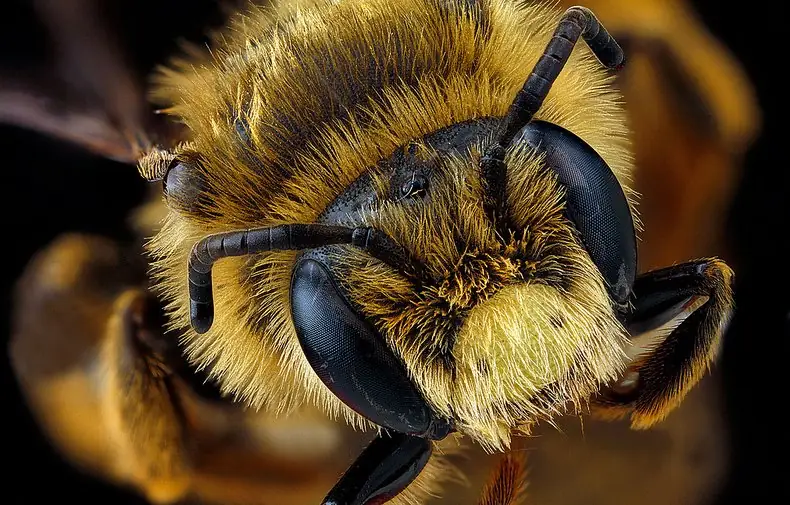
To make it easier to spot the nectar that hides the flower, nature has given bees the ability to see ultraviolet light (and even more colors of this light). Unlike humans, bees instead have a myriad of small lenses that create “pixels” that allow them to see.
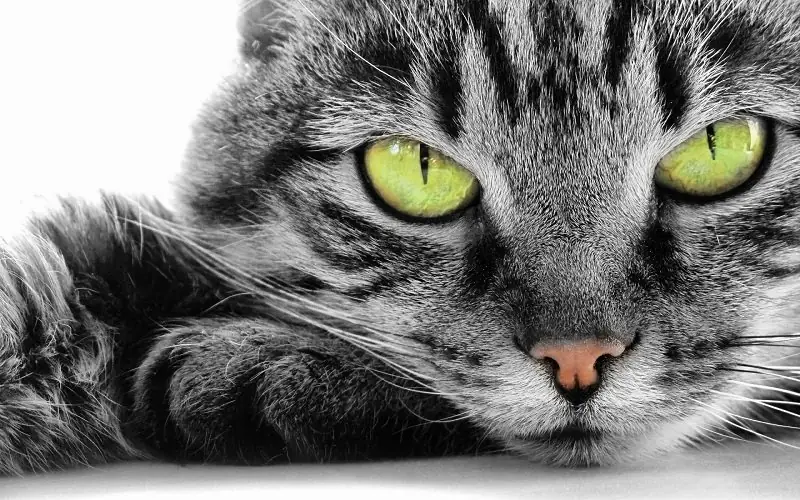
Cats are nearsighted, which means they can’t see objects that are too far away. I can see shades of blue and green. During the day, their vision is a bit blurred, so they can see up to six times more blurry than humans, while in the dark they can see almost perfectly. Their field of view is slightly wider than that of a human and is 200°.
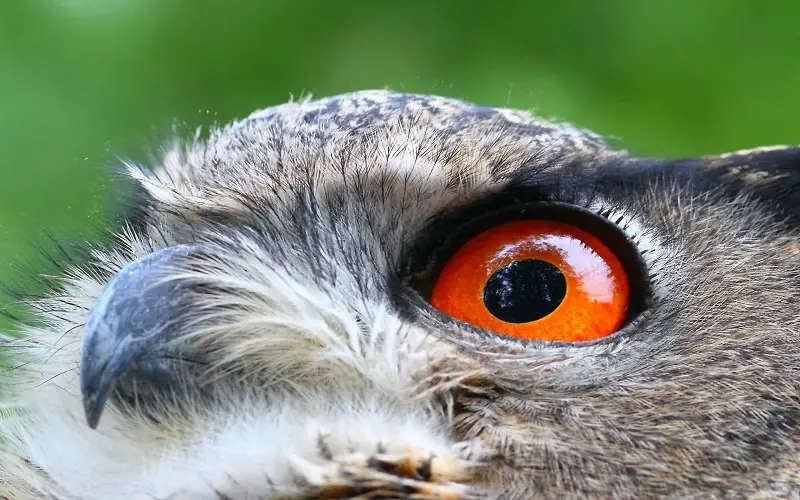
Birds, in addition to all the colors seen by humans, also see ultraviolet colors, which makes them rare animals that have sharper vision than humans.
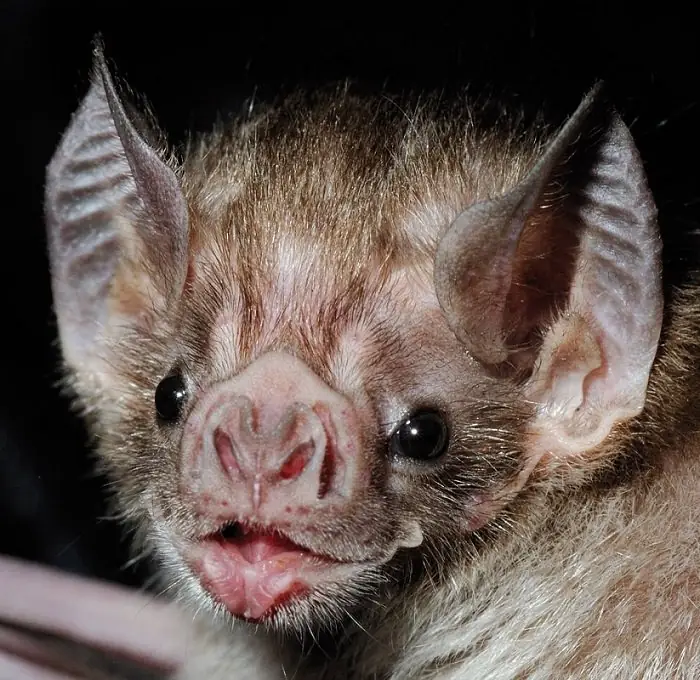
Contrary to popular belief, bats are not really blind. However, in the darkness of the cave, I cannot rely on my own, not very good eyesight. Therefore, in order to detect obstacles in flight, as well as to find the way to the nest and food, bats do not use their eyes, but the so-called echolocation, i.e. broadcast and receive rejected sounds from space .
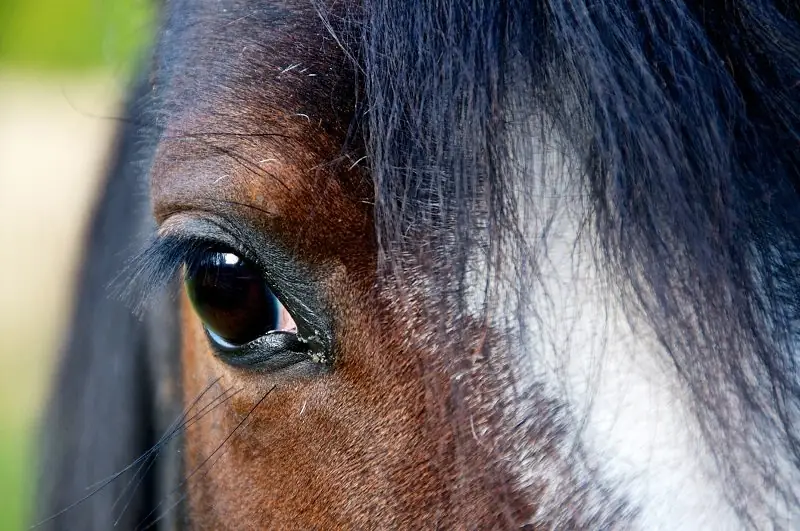
The horse’s eyes are set to the side, so he can see almost 360° around him. Its specific eyeball enlarges all objects, so the horse sees them as much as 50% larger compared to humans. A horse has two blind spots – directly in front of the muzzle and behind the tail, so it is recommended to approach them from the side. In the dark, horses see much better than humans, but they do not see best at dawn and dusk, because then their color perception fades and night vision is not yet activated.
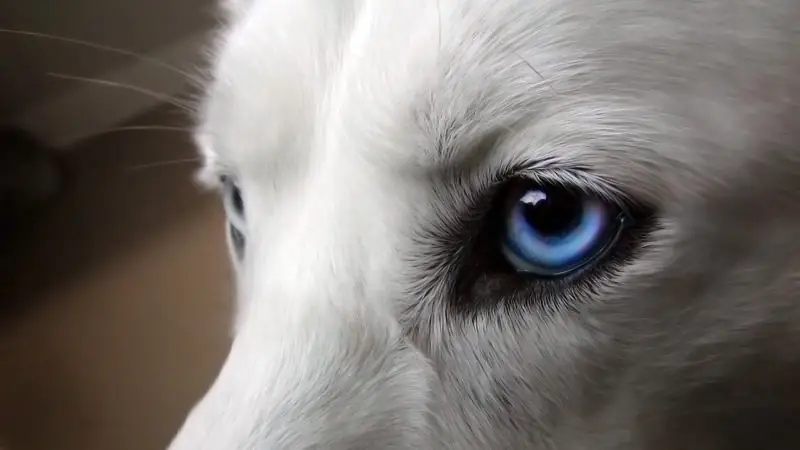
Dogs can see colors, but in a smaller range than humans (their color scale revolves around cream, white, blue, purple, and gray). Dogs can see a radius of 270 degrees, but the visual acuity of dogs is six times smaller than that of humans.
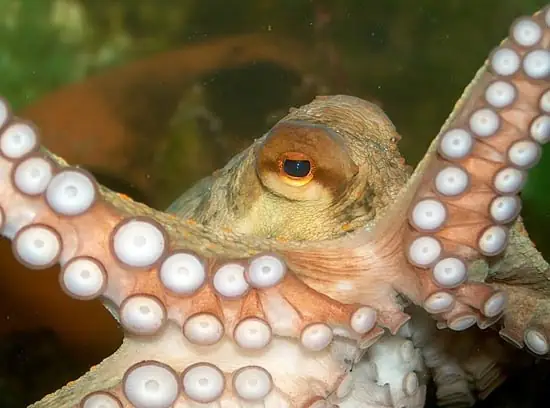
Octopods and squid, unlike humans, do not have a “black spot”. However, they see the world around them blurred and in gray tones, since they cannot distinguish colors.
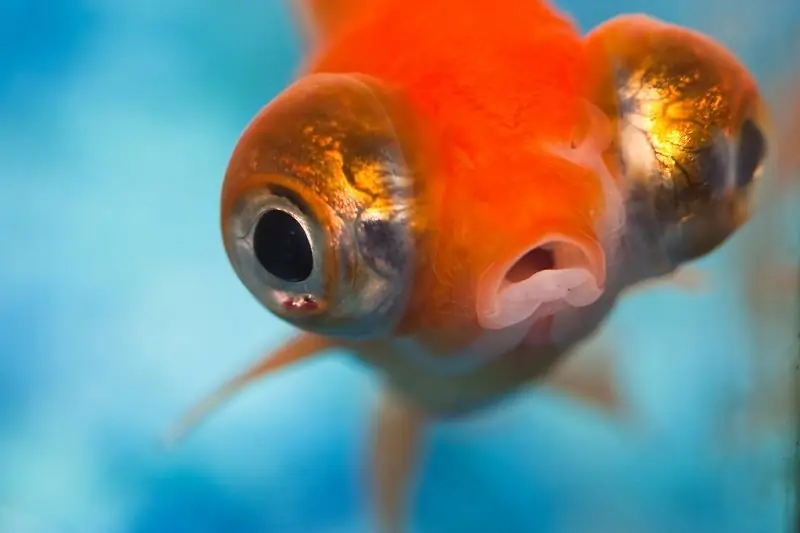
Fish can distinguish colors, and in addition, many of them (e.g., goldfish or piranhas) can see the infrared spectrum, as well as wavelengths of light, which are not visible to the human eye. This allows them to see well in muddy water.
Perfect Vision is an Eye Laser Surgery Center located within the Kuća zdravlja Polyclinic, headquartered in Subotica.



Perfect Vision is a Center for Laser Eye Surgery, located within the Polyclinic House of Health, based in Subotica. Visit us!


We have an ISO certificate according to ISO 9001: 2015, registration number 12 100 59137 TMS for the area of Diagnostic, Conservative and Surgical Ophthalmic Services, issued by the certification body TÜV NORD CERT GmbH.