Meibomian gland expression – the key to the health of your tear film and clear vision
What are Meibomian glands? Meibomian glands are small glands located in the eyelids that produce the lipid (fatty) component of…

Cataracts can occur as a result of trauma (more common in cats) or can be hereditary (more common in dogs). Depending on the degree of clouding of the lens, as well as whether the cataract appeared in one or both eyes, the symptoms also depend. Owners usually first notice the whiteness inside their pet’s eye, but also obvious changes in behavior: reluctance or insecurity when walking, not finding their way in an unfamiliar environment, seclusion and lack of energy.
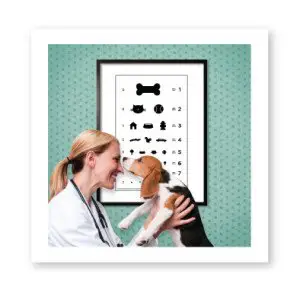
Unlike humans, cataract surgery in animals is performed under general anesthesia. The most modern method of surgery is the so-called ultrasound. phacoemulsification. After removing the clouded natural lens, a special artificial lens can be placed in its place. The animal can function quite well even without this lens, but by placing an artificial lens, visual acuity is drastically improved and the chance of postoperative complications is reduced.
The owner should be conscientious and regularly give therapy to his pet, bringing him regularly for check-ups. Also, the owner should keep in mind that the percentage of success in cataract surgery is higher in the initial phase, and therefore one should not wait for the animal to go blind, hit obstacles and become incapable of a normal life, in order to perform the operation.
Perfect Vision is an Eye Laser Surgery Center located within the Kuća zdravlja Polyclinic, headquartered in Subotica.
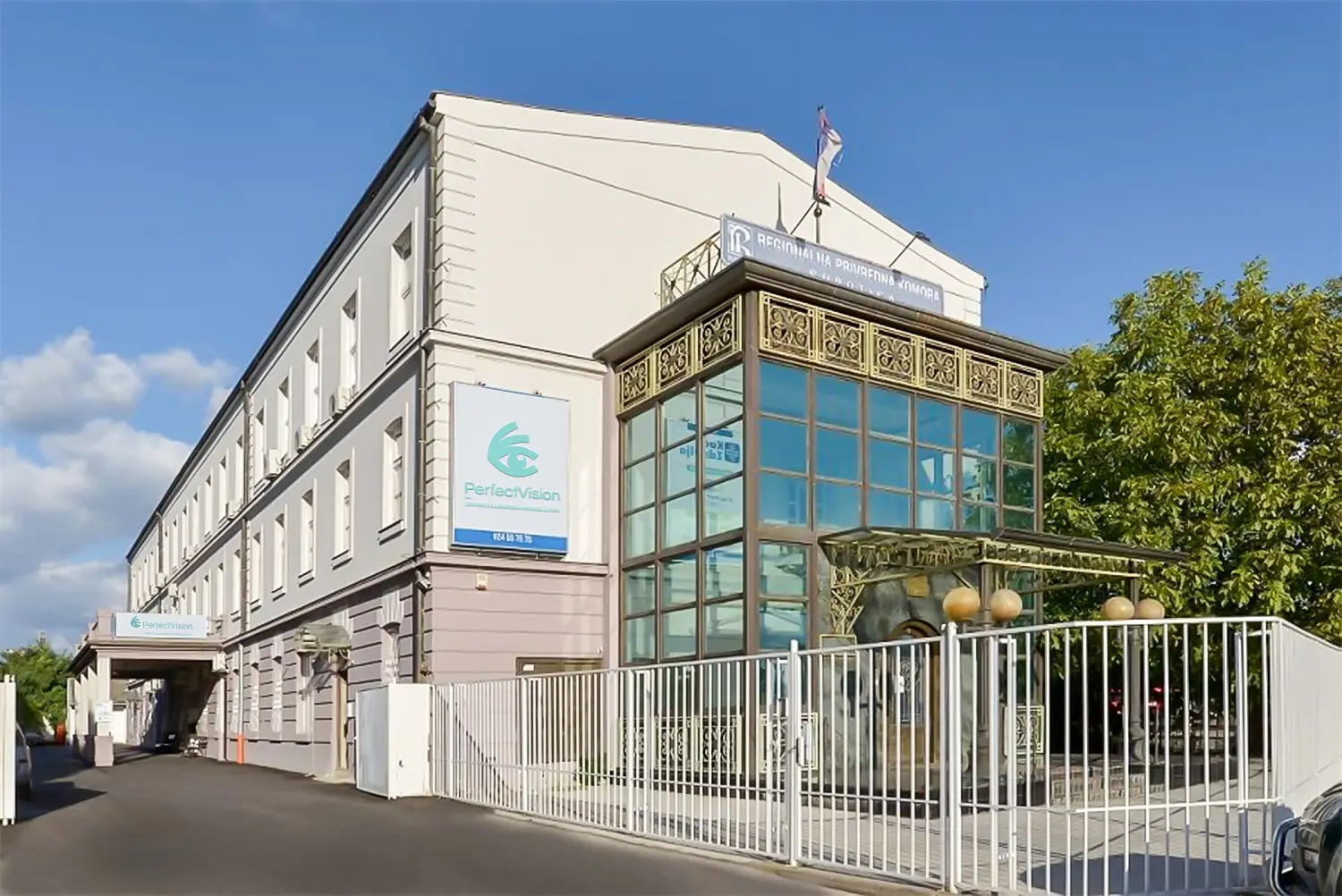


Perfect Vision is a Center for Laser Eye Surgery, located within the Polyclinic House of Health, based in Subotica. Visit us!


We have an ISO certificate according to ISO 9001: 2015, registration number 12 100 59137 TMS for the area of Diagnostic, Conservative and Surgical Ophthalmic Services, issued by the certification body TÜV NORD CERT GmbH.