Meibomian gland expression – the key to the health of your tear film and clear vision
What are Meibomian glands? Meibomian glands are small glands located in the eyelids that produce the lipid (fatty) component of…
No, it is not possible for cataracts to reoccur in the operated eye after surgery. Namely, during cataract surgery, the naturally cloudy lens that is in it is removed from the capsular bag using an ultrasound machine and an artificial intraocular lens is placed in its place. This lens, which remains permanently in the eye, becoming its integral part and taking over the function of the natural lens, cannot be blurred.
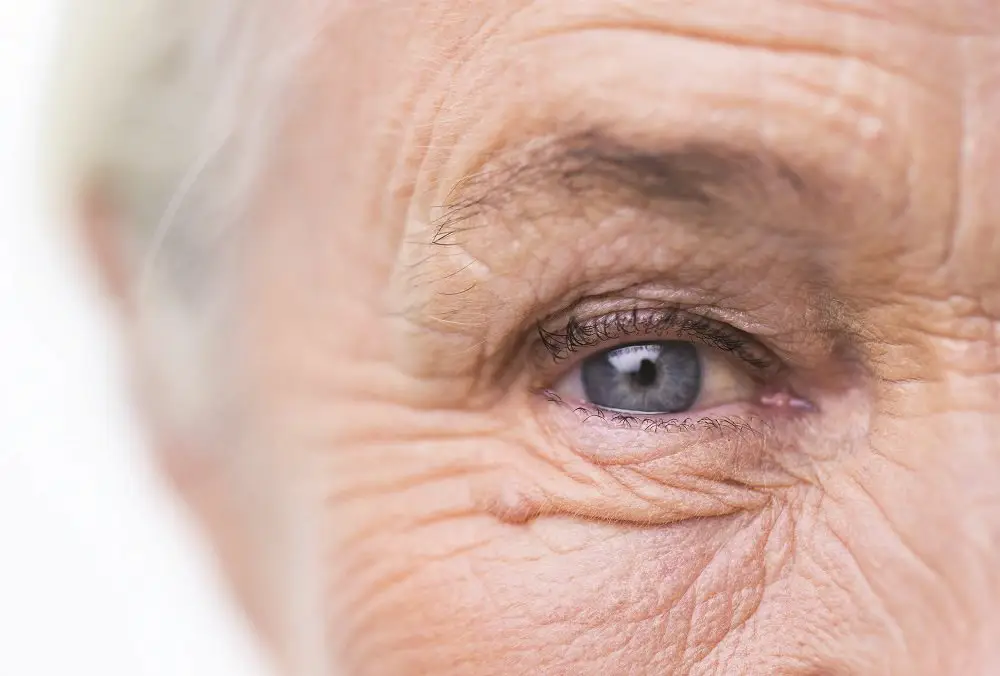
Secondary cataract most often occurs a year or two after surgery, although it can also occur in the later postoperative period. Research has shown that secondary cataract occurs more often in:
Before the intervention, it is necessary to dilate the pupils with short-acting drops. During the treatment, the patient hears soft sounds and sees a red light. Laser beams are directed towards the cloudy part of the capsule, opening its central part. With each pulse, the opening expands to the required width. After the treatment, the patient goes home, following the doctor’s instructions. During the day, temporary blurring of vision is possible until the pupil contracts, as well as a temporary jump in eye pressure and mild eye irritation. These symptoms are short-lived and the patient usually feels comfortable during the day, and the vision improves to the level it was at before the secondary cataract appeared.
Perfect Vision is an Eye Laser Surgery Center located within the Kuća zdravlja Polyclinic, headquartered in Subotica.
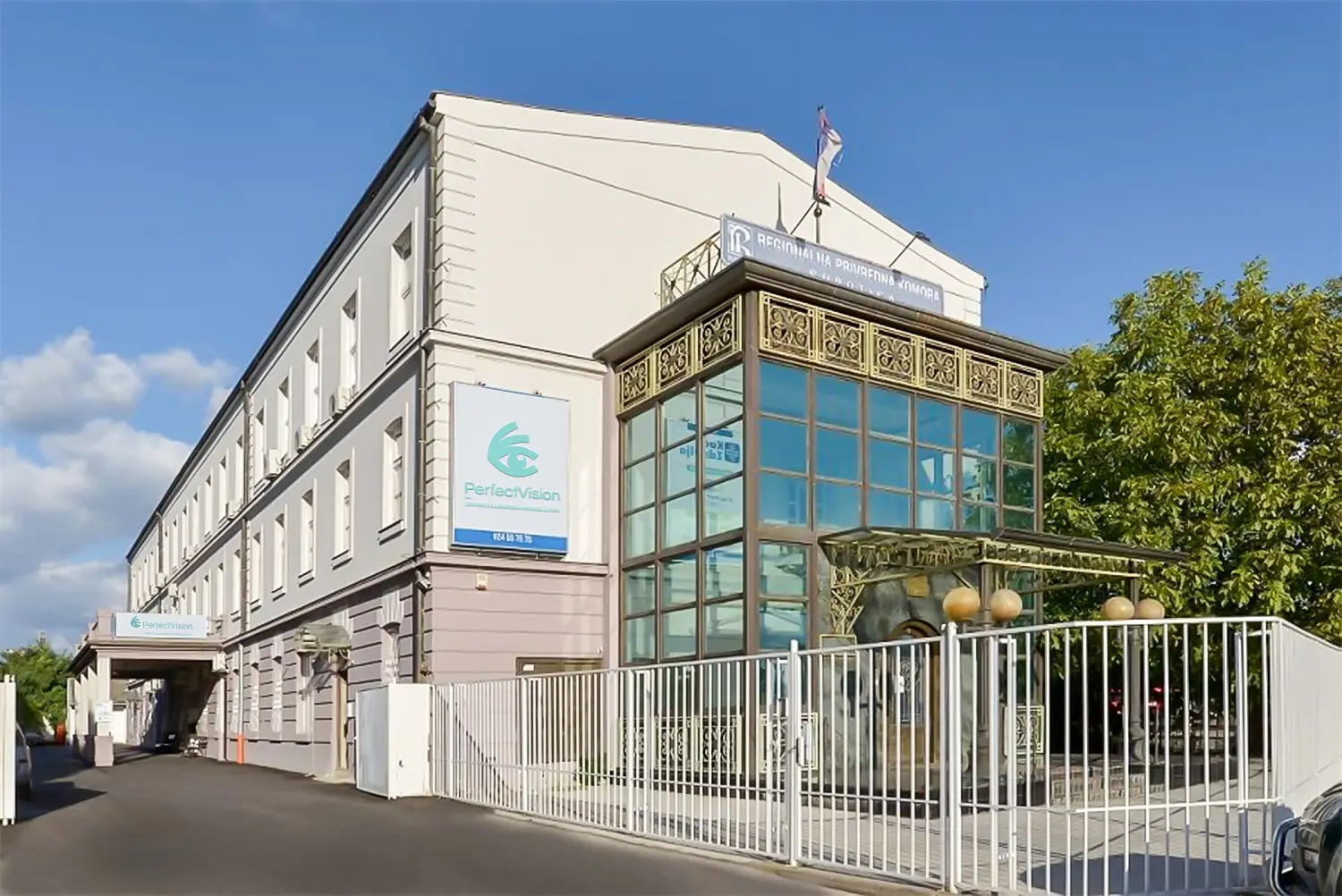


Perfect Vision is a Center for Laser Eye Surgery, located within the Polyclinic House of Health, based in Subotica. Visit us!


We have an ISO certificate according to ISO 9001: 2015, registration number 12 100 59137 TMS for the area of Diagnostic, Conservative and Surgical Ophthalmic Services, issued by the certification body TÜV NORD CERT GmbH.