Meibomian gland expression – the key to the health of your tear film and clear vision
What are Meibomian glands? Meibomian glands are small glands located in the eyelids that produce the lipid (fatty) component of…

Laser hair removal has previously been considered one of the most frequently performed operations on the human body, to which more than 50 million people worldwide have undergone so far.
Although this procedure is safe and painless, there is still a certain amount of fear and mistrust in most people. One of the most common questions asked about surgery is “How does it feel?”.
Summarizing the experiences of operated patients, below we convey to you what it is that the patient sees, hears and feels before, during and immediately after the operation.
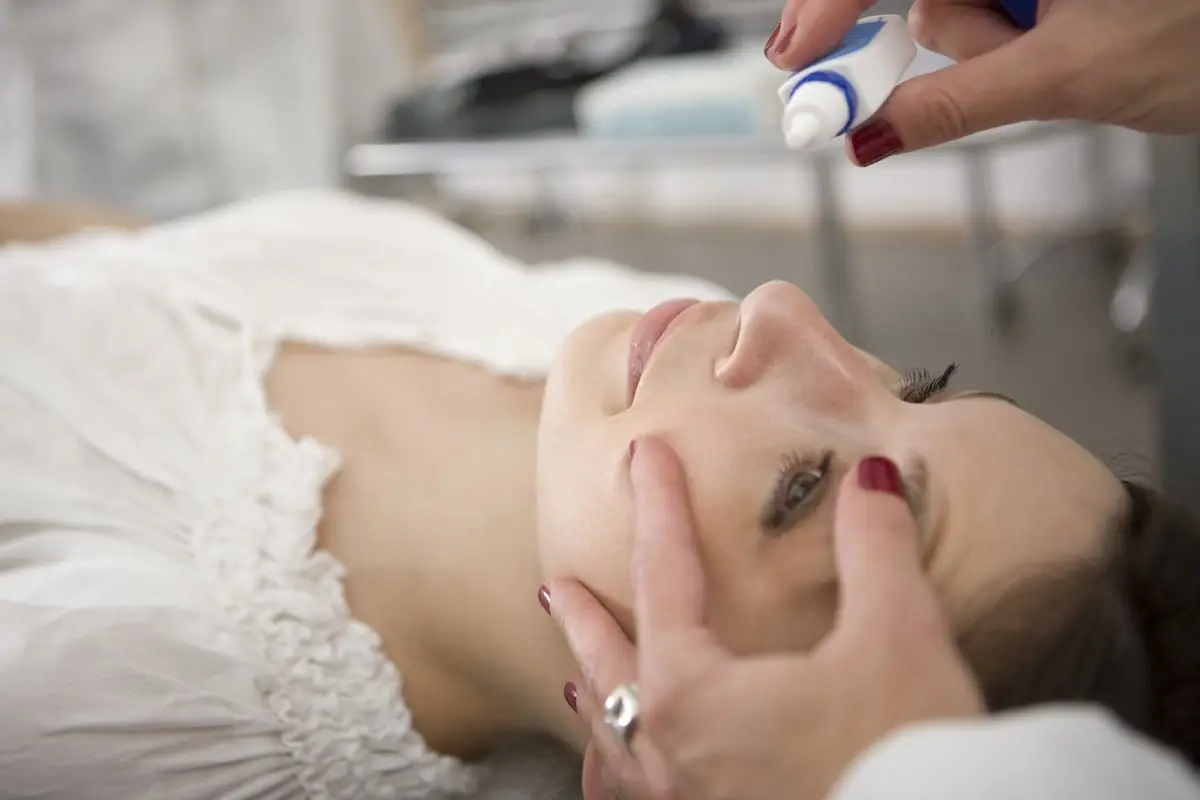
In order for the operation to be painless, it is necessary to anesthetize the eyes. This is achieved by dripping special drops containing a local anesthetic, which reduces the sensitivity of the eyes. So no injections and needles. The drops are instilled several times before the start of the operation. Bearing in mind that the operation lasts only about 10 minutes, be sure that the operation will go smoothly. If necessary, an additional anesthetic can be instilled during the operation.
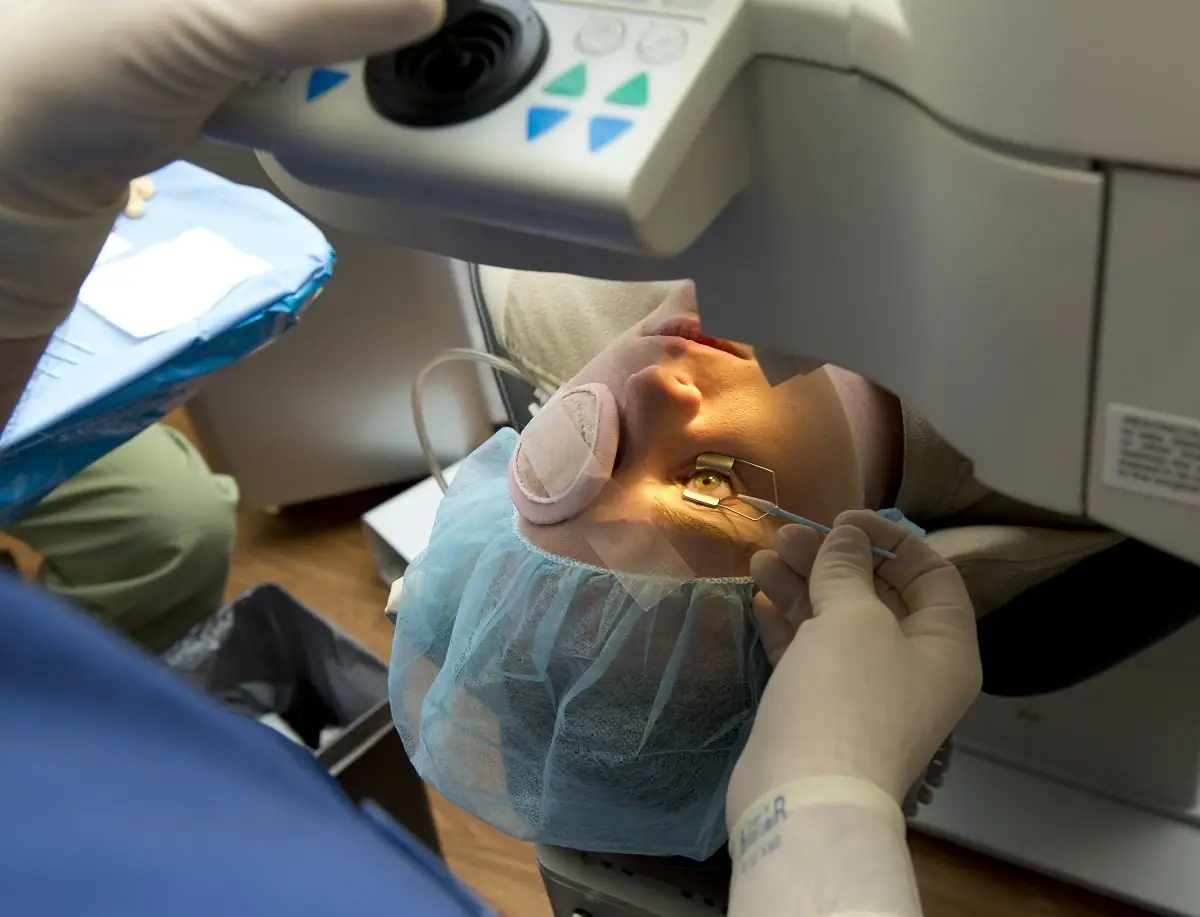
In order for the surgeon to perform the operation, it is necessary that the eyelids are wide open. This is achieved by placing a special instrument (blepharostat) on the eyelid. Adjusting the instrument may feel a slight discomfort, but not pain. To bring this feeling closer to you, try holding your eyes wide open with two fingers. You will feel the eye adjusting to the reduced blinking function. It is the same during surgery.
The superior laser technology of the latest generation enables reliable and safe intervention, where there is practically no possibility of error. By emitting 400 laser beams per second, it takes only 2 seconds to “remove” one dioptre. The motion detection system prevents laser treatment of the wrong part of the cornea or surrounding eye tissue. So, in case you blink or look away, the laser stops automatically. This software monitors up to 400 movements and micromovements of the eye every second, which achieves the emission of the laser beam only in the case of a well-centered cornea.
During the operation, the surgeon will ask you to look directly into the green light of the laser. When the laser performs corneal remodeling, i.e. removal of the dioptre, you may feel slight discomfort. As the eye is flushed with saline solution, you will feel a cold liquid running down your cheeks (you will have protective tufts on your ears to absorb this liquid and prevent it from running into your ears). Many patients stated that during the operation they smelled a smell similar to that of having a tooth repaired at the dentist. The operation itself takes only a few minutes, so any discomfort is minimal and short-lived. If the operation is performed using the LASIK technique, during the formation of the lid, you will not see the laser light and you will feel a slight pressure, which lasts about ten seconds. 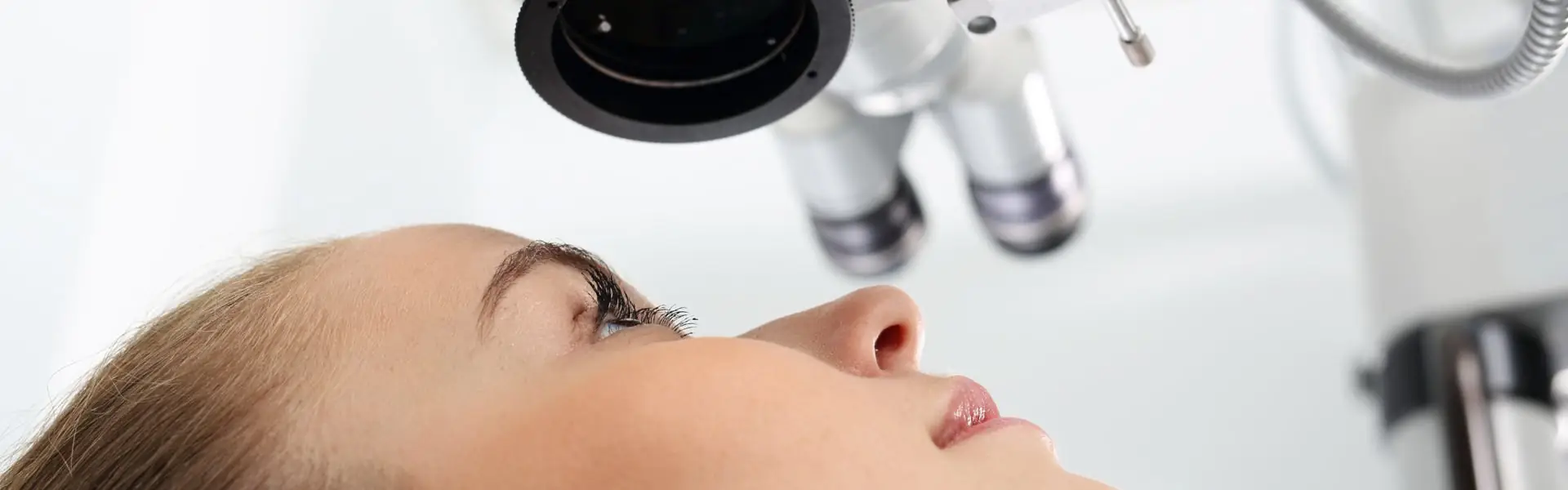
You will notice the first effects of good vision immediately after the surgery. In most theaters there is a wall clock, so the first question the surgeon asks after getting up from the operating bed is “What time is it?” Already then, you will see much better than before the operation. This is a truly touching moment, often accompanied by tears of joy.
Doctors advise that after the operation you rest your eyes as much as possible, squint and stay in a darkened room. Unpleasant sensation, burning sensation, feeling of sand and increased tearing of the eye are normal symptoms immediately after the operation, if the diopter was removed by the superficial technique (PRK). Already a few days after the operation, you will enjoy your new, crystal clear view of the world carefree. This is a sign that the eye is healing and the aforementioned irritations will disappear quickly. With the LASIK technique, the patient usually has no or only minimal discomfort.
Perfect Vision is an Eye Laser Surgery Center located within the Kuća zdravlja Polyclinic, headquartered in Subotica.
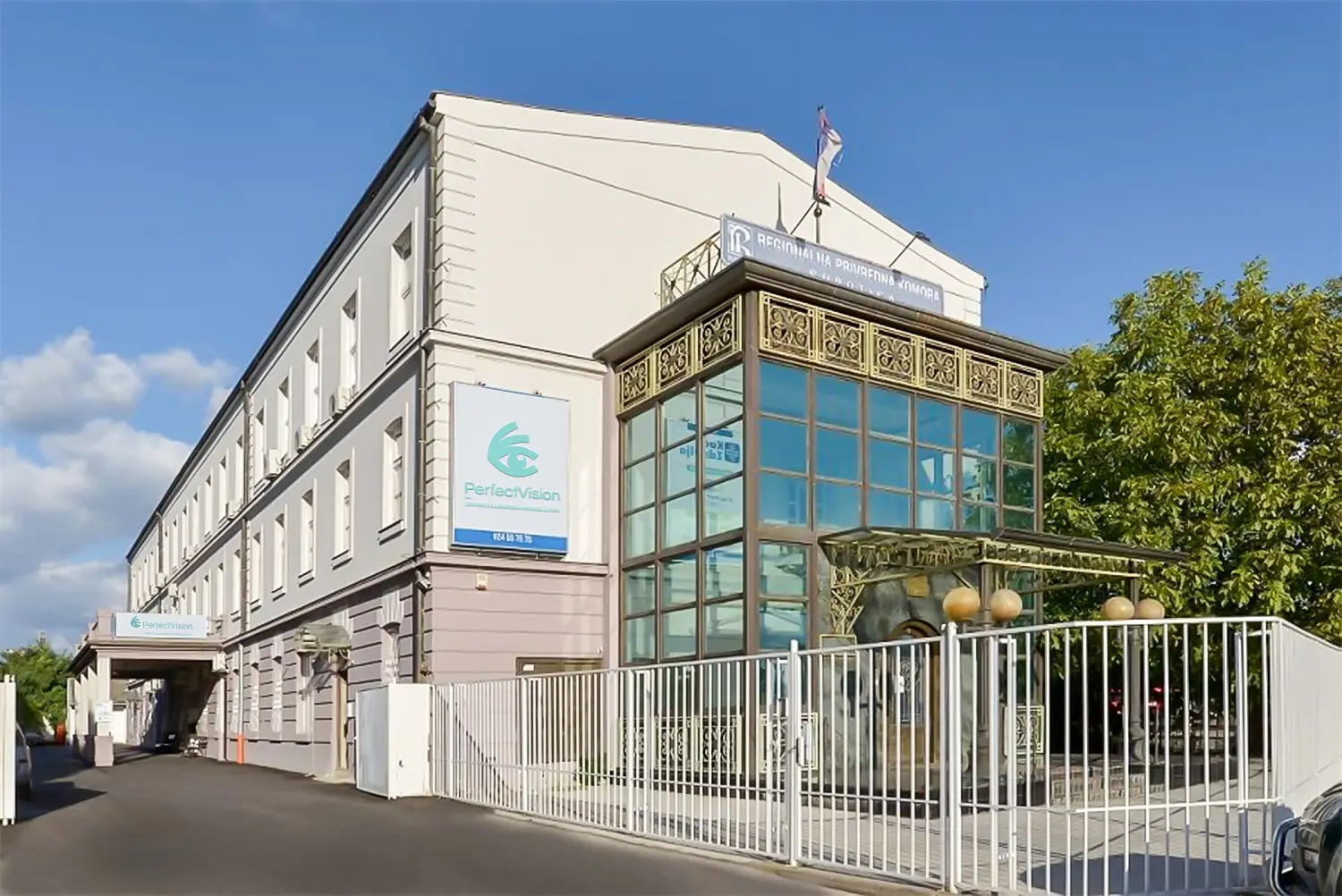


Perfect Vision is a Center for Laser Eye Surgery, located within the Polyclinic House of Health, based in Subotica. Visit us!


We have an ISO certificate according to ISO 9001: 2015, registration number 12 100 59137 TMS for the area of Diagnostic, Conservative and Surgical Ophthalmic Services, issued by the certification body TÜV NORD CERT GmbH.