

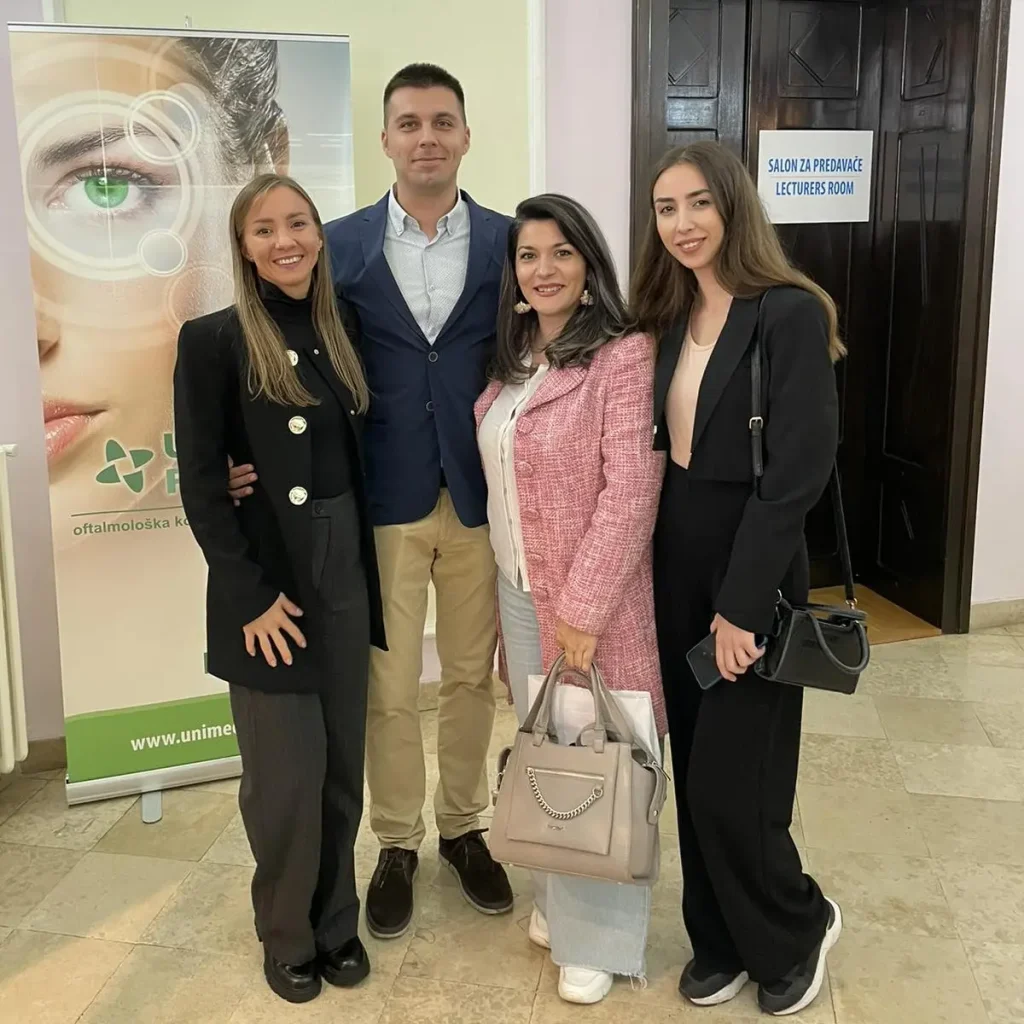
On the occasion of World Diabetes Day, expert associate of the Center for Laser Eye Surgery “Perfect Vision”, expert for the posterior segment of the eye and vitroretinal surgeon, prof. Dr. Sofija Davidović , author of the text on diabetes and diabetic retinopathy, from her many years of experience as head of the department for the posterior segment of the eye and deputy head of the Clinic for Eye Diseases of the University of Vojvodina in Novi Sad, extracted the most important information about what diabetic retinopathy is, what are the symptoms, consequences of this disease, risk groups and how to treat it.
Millions of people with diabetes face daily challenges to manage their metabolic state, at home, at work, at school, and in general, in everyday life. They must be aware of their disease, well organized and responsible towards themselves, their family and society, because the diabetes disease with its complications can significantly affect their health, both physical and mental well-being.
World Diabetes Day, November 14 , is celebrated every year in over 160 countries around the world, with the aim of raising the level of importance of prevention, early detection and timely treatment of diabetes and its complications, and to support sufferers in the fight for a better life with diabetes.
Diabetic retinopathy is an eye health disorder that can cause reduced vision and sometimes even blindness in people who have diabetes.
Diabetes damages all blood vessels in the body and leads to macro- and microvascular complications. It has a particularly bad effect on the blood vessels in the retina (the light-sensitive micron layer of tissue in the back of the eye).
If you have diabetes, it is important to have a comprehensive eye exam at least once a year, with a dilated fundus examination and macular imaging (macular OCT).
Diabetic retinopathy may have no symptoms at first, but if you detect it early, you can take the necessary steps to further protect your vision. Managing your diabetes – with physical activity, a healthy diet and taking your medication regularly – can also help prevent or delay the onset of eye complications and subsequent vision loss.
In the early stages, there are usually no symptoms. Later, blood vessels bleed into the vitreous body. It can cause:
Without treatment, permanent damage and blindness can occur.
Anyone with diabetes (type 1, type 2, gestational) can develop retinopathy. The risk increases with the duration of the disease, especially after ten years and with poor metabolic regulation. People with hypertension, obesity, associated diseases and those who are physically inactive also have an increased risk.
Women with diabetes who become pregnant or women who develop gestational diabetes are at particularly high risk. If you have pre-existing diabetes and are planning to become pregnant or are pregnant, be sure to do a complete examination of the eyes and fundus with dilated pupils.
The treatment is carried out with modern injections into the depth of the eye and/or the application of laser photocoagulation of the retina. For the most severe forms of the disease, vitrectomy is used, often with diabetic cataract surgery. The results depend on the degree of damage and complications.
Prevention of complications is related to good metabolic regulation and maintaining a stable blood sugar level, along with regular endocrinological controls and conscientious treatment. Preventive and regular examinations by an ophthalmologist are crucial for every patient with diabetes.
At the National Congress of Ophthalmologists, our team didn’t just participate, they took the stage – bringing new research from practice on the impact of 5G on eye health and uncovering untold stories about the critical role nurses play in preoperative patient preparation.
Our team had the opportunity to participate in the National Congress of Ophthalmologists of Serbia in Belgrade, an event that is eagerly awaited every year, as it brings together the biggest experts in the field of eye health in Serbia. This congress is a place where information is exchanged, it is a real platform for inspiration, new ideas and innovations that shape the future of ophthalmology. As part of this year’s program, our team not only participated – we were also on stage, sharing knowledge and experiences with our colleagues.
One of the moments that we are particularly proud of is the lecture by our doctor Dolica Vasović , who covered a still unexplored topic – “The influence of the 5G network on the occurrence of cataracts in young people”. While the world is becoming more and more dependent on technology, few people stop to wonder what effects it can have on eye health.
Dr. Vasović introduced us to the world of scientific research and explained how electromagnetic waves, which we use every day, can be connected with the appearance of cataracts in young people. Instead of dry science, her lecture was dynamic, filled with examples from our practice, which triggered thoughts on the topic among the colleagues present. It was a real opportunity to open a dialogue about something that is just coming on the radar of ophthalmology.
You can watch the lecture on our YouTube channel.
Our second presentation, perhaps less technical, but just as important, came from our nurses who spoke on the topic of the role of nurses in preoperative preparation. When a patient comes to our clinic for surgery, the first hand of support and safety comes from our nurses.
Their careful preparation before surgery, knowledge and ability to reassure patients, carry out documentation and see patients off after surgery are often the unsung heroes of any successful operative day. In their presentation, apart from the technical aspects of the preparation, they shared stories from their work at Perfect Vision.
Their lecture showed how important it is that preoperative preparation is not just a routine, but an opportunity to provide patients with emotional support that can change the course of their experience.
You can watch the video presentation led by our nurse Zorica Popin on our YouTube channel.
Education is the way we grow and become better, both for ourselves and for our patients. Going to such congresses where we learn and share our knowledge, gives us a sense of community in the world of ophthalmology. Every time we return, we bring with us new energy, ideas that we can’t wait to implement in our daily work.
Congresses like this one are not just professional meetings, but like large gatherings of the community dedicated to the same goal – improving services. When we meet with colleagues, let’s share experiences, laugh at challenges and celebrate successes. We feel that together we are creating the future of ophthalmology.
Every conversation and every new idea that is born, becomes part of our collective knowledge that is later returned to our patients through better care, new methods and, most importantly, a more humane approach to treatment.
We continue to expand our horizons by learning and growing, because for us each new knowledge represents a clearer and better view into the future of ophthalmology – and our patients.
Our ophthalmologists were also participants in this year’s European Meeting of Refractive and Cataract Surgeons ( ESCRS ), which took place in Barcelona from September 6 to 10, 2024. This event brought together leading experts in the field of ophthalmology with the aim of exchanging the latest knowledge and innovations.
During the congress, the latest techniques and technologies applied in refractive surgery and cataract operations were presented. Innovations in the implantation of intraocular lenses and advanced approaches to personalization of treatment, which promise significant improvements in the quality of vision of patients, attracted special attention.
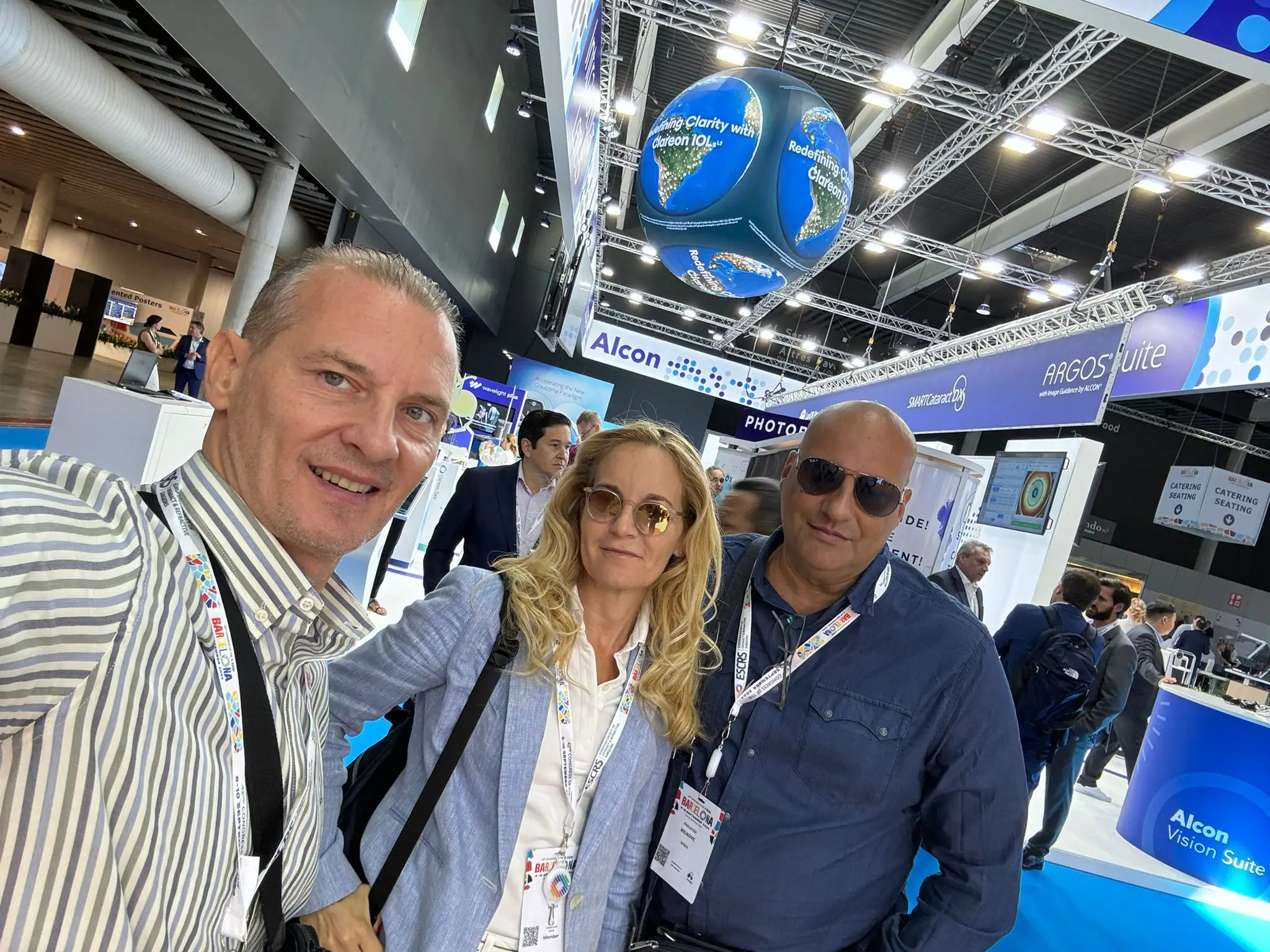
In addition, one of the key topics of the congress was the impact of artificial intelligence (AI) and telemedicine on eye surgery. Applications of AI in the analysis of medical images and optimization of diagnostic processes, as well as the use of telemedicine to provide consultations and monitor patients remotely, were discussed. These technologies promise to improve the accuracy of diagnoses and the accessibility of health care, which will significantly improve the quality of the services we provide.
Our experts had the opportunity to participate in workshops and panel discussions that covered a wide range of topics, from minimally invasive procedures to the latest developments in diopter correction. This congress also provided a valuable opportunity to network and exchange experiences with colleagues from all over Europe, thus improving our knowledge and approaches in practice.
We will continue to apply the knowledge and technologies learned to provide our patients with the highest level of care and innovative treatments. We look forward to introducing new knowledge into our daily practice.
In today’s modern age, laser vision correction has become very popular among people who want to get rid of glasses and contact lenses. One of the oldest and most reliable methods for laser vision correction is the so-called PRK method . This method has been around for decades and gives excellent results. In this blog, we’ll explore everything you need to know about the PRK method of laser diopter reduction and why it’s our technique of choice.
PRK is a type of laser eye surgery used to correct:
The procedure uses a laser to reshape the cornea (the transparent front part of the eye) to focus light properly on the retina and allow for clear vision.
The PRK procedure consists of three basic steps:
Although PRK has numerous advantages, it is important to know the potential challenges:
PRK is especially recommended for patients who:
Laser diopter removal using the PRK method is a safe and effective procedure that can significantly improve the quality of life of those who want to get rid of glasses and lenses. Although it requires a slightly longer recovery period compared to other methods, the results are long-lasting, stable and highly reliable.
📞 Call us for a viewing:
024 45 45 000 or 060 55 75 754 (Viber)
Ophthalmology, as a medical discipline dealing with the diagnosis and treatment of eye diseases, represents a subtle balance between expertise, science and technology. We recently had the honor of participating in the ESCRS Ophthalmology Congress 2023 in Vienna , an event deeply rooted in the latest research and innovation in the field. Our experience at this prestigious meeting had a profound impact on us as ophthalmologists at the Perfect Vision Clinic .
The European Society for Cataract and Refractive Surgery (ESCRS) brings together leading ophthalmologists, surgeons and researchers from around the world to jointly explore the latest trends, techniques and innovations in ophthalmology. The ESCRS Congress is an indispensable meeting place for all those who are dedicated to the improvement of eye care.
Given our commitment to providing the best possible care to our patients, participating in this congress was an opportunity we did not want to miss.
The scientific sessions at the 2023 ESCRS Congress were a source of deep scientific thinking and a serious approach to ophthalmology. The lectures covered a wide range of topics, including the latest therapeutic approaches and surgical techniques, diagnostic tools, as well as research in the field of eye genetics.
The opportunity to hear the experiences of renowned ophthalmologists from different parts of the world, who shared their deep professional knowledge and rich clinical experience, was especially valuable. This has reinforced our commitment to continuous improvement and providing the best possible treatment to our patients.
The exhibition part of the congress was a real treasure trove of technological innovations in the field of ophthalmology. We had the opportunity to explore in detail the latest devices, instruments and pharmaceuticals that are shaping the future of ophthalmic care. Here we were introduced to the top technologies for laser vision correction, advanced diagnostic devices and the latest pharmaceutical therapies.
These experiences not only fueled our curiosity, but also emphasized the importance of technological advances in improving the quality of life for patients.
One of the most important aspects of such events is the opportunity to connect with colleagues from all over the world. Sharing ideas, experiences and best practices with other ophthalmologists was valuable. We discussed the challenges and opportunities we face in our daily practice, and we also got inspired for future projects and research.
Our commitment remains unchanged, although we have hard work ahead of us to integrate new knowledge and technologies into our practice. Rest assured that we will continue to make efforts to improve eye and vision health, as we consider this a serious responsibility to our patients.
In conclusion, we would like to express our deep gratitude to the organizers, lecturers and all participants of this congress for the opportunity provided for serious training and knowledge exchange.
The eye disease glaucoma is a serious condition that affects millions of people worldwide. It is often called the “silent killer of vision” because of its ability to progress without visible symptoms and eventually lead to permanent vision loss if not treated in time. In this text, we will explore what glaucoma is, how it occurs, and what are the treatment options.
Glaucoma is a group of eye diseases that together form the leading cause of irreversible blindness worldwide. This disease is characterized by damage to the optic nerve, which usually results in progressive loss of peripheral vision. The most common type of glaucoma is open glaucoma , but there are other subtypes, such as closed glaucoma, which differ in their development mechanisms and symptoms.
Although the exact cause of glaucoma is not fully understood, there are risk factors that increase the chances of its development:
Glaucoma in the early stages often passes without symptoms, but later they can appear:
Treatment aims to preserve existing vision and prevent further damage to the optic nerve. The most common methods include:
Glaucoma is a serious eye disease that can lead to blindness if not treated in time. This is why regular ophthalmological examinations are crucial, especially for people with risk factors or when symptoms appear. Early detection and proper treatment of glaucoma are crucial for preserving vision and preventing the progression of the disease.
📞 To schedule an inspection, call: 024 45 45 000 or 060 55 75 754
Cataract is an ophthalmic problem that occurs when the lens of the eye becomes cloudy and cloudy. The lens is the normally clear part of the eye that focuses light on the retina, allowing clear vision. However, over time, proteins inside the lens can build up and harden, resulting in clouding and loss of visual acuity.
Cataracts usually occur with aging, but can also be caused by other factors, such as injuries, genetics, smoking or long-term exposure to sunlight.

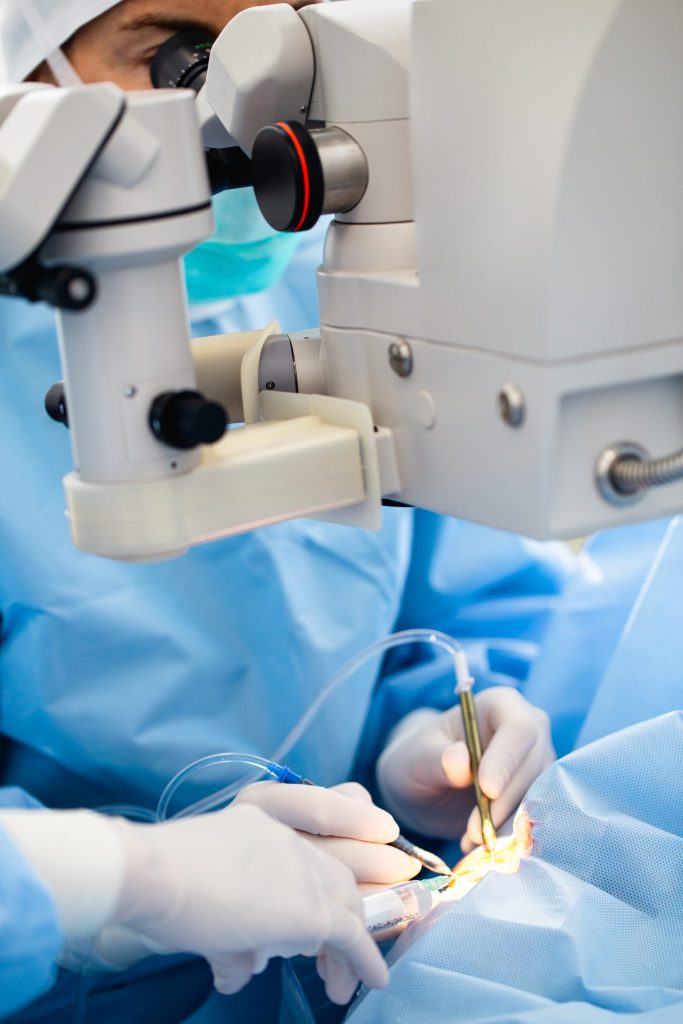
These are some of the main types of cataracts. It is important to emphasize that each person can develop a different type or a combination of several types. The diagnosis and treatment plan are determined with the help of an ophthalmologist, who will take into account all the individual characteristics of the patient.
📞 Call us to schedule an inspection: 024 45 45 000 or 060 55 75 754
In today’s digital age, computers have become an integral part of our daily lives. We use them for communication, work, entertainment and education. However, as we enjoy the benefits of technological advancements, it is important to understand how computers affect our vision and how we can protect ourselves from potential negative effects.
Computer, smartphone and tablet screens emit high levels of blue light. Short-term exposure is not necessarily harmful, but long-term exposure can lead to digital eye fatigue , dryness, headaches and sleep disturbances.
Staring at the screen for a long time reduces the number of blinks, which causes the eyes to dry out. Dry eye syndrome leads to discomfort, burning, itching and blurred vision. Regular blinking and proper hydration help in prevention.
The high contrast and glare of the screen strain the eyes. Adjust the brightness and contrast of the screen for easier and more comfortable viewing.
Improper position of the screen puts extra strain on the eyesight. Place the screen at eye level and maintain a distance of 50-70 cm to reduce unnatural head and eye movements.
Applying the ” 20-20-20 rule ” is very useful: every 20 minutes of looking at the screen, focus your gaze at a distance of 6 meters for 20 seconds. Exercises such as blinking, focusing at different distances and circular eye movements help relax the eye muscles.
The quality of the screen directly affects the health of the eyes. Better resolution and blue light filtering technologies reduce negative effects and make work easier.
Many devices offer blue light filtering options. Also, glasses with a blue filter further reduce eye fatigue.

At Optica Perfect Vision you can find a wide selection of glasses with lenses that have a blue filter – with or without diopters.
Do not neglect regular visits to the ophthalmologist. Examinations allow timely detection of problems and prevention of complications.
📞 Schedule an inspection by phone: 024 45 45 000 or 060 55 75 754
Computers and modern technology are an important part of our lives, but it is necessary to pay attention to the potential effects on vision . Applying the above tips helps to protect the eyes and preserve the health of vision. Your eyesight is priceless – take care of it in the best possible way.
We provide answers to some of the most frequently asked questions about laser dioptre removal .
Fact: It is not possible for a laser to “burn” your eyes. All laser methods use cold lasers . The surface of the eye (cornea) is precisely remodeled with a cold laser beam.
The results of laser dioptre removal are permanent in 98% of cases . At extremely high diopters, in less than 2% of cases, returns were recorded, but significantly smaller than those before laser correction.
Increased dryness of the eye occurs for about 6 weeks on average, and then artificial tears are used. After 6 months, in 99% of cases , patients no longer have dry eye symptoms.
As the cornea is remodeled by laser dioptre removal, its irregularities are also removed along with the dioptre. So your cylinders become a thing of the past .
This intervention has been done all over the world for more than 30 years . More than 50 million people got rid of diopters by laser. Today, it is the most frequently performed procedure in medicine , which is performed at the request of patients.
Do you have any other questions? Write to us!
In the Congress Center “Master” in Novi Sad, the first “Business Stories” conference was opened, which gathered as many as 600 entrepreneurs in one place.
Vladimir Stanković , initiator and author of the Business Stories podcast, together with Nemanja Dimić , director of the BIT Events company, and under the auspices of the Provincial Secretariat for Regional Development, Interregional Cooperation and Local Self-Government, the Provincial Secretariat for Economy and Tourism, as well as the City of Novi Sad, organized the first BUSINESS STORIES conference, which took place on April 5 and 6 this year.
“More than 600 people from the whole region, from abroad, came to connect, to hear what it looks like to create a real business on stable feet, on a global scale, and that it originates from Serbia,” said Vladimir Stanković. He added that this conference is a real opportunity to make personal contact as a concrete step towards networking successful entrepreneurs, because that is what they lack.
Through lectures, workshops, panels and guided discussions , leading experts from Serbia and the region, as well as some of the most successful entrepreneurs, talked about their business, beginnings and the most current trends.
The participants were addressed by: Dragan Vojvodić (Sendler) , Milena Đuričić (Videomite) , Lazar Žepinić (Sephora case study) , Andrej Ilić and Đorđe Trbović (IDj videos) , Nemanja Antić (Military shop) , Vladan Janković (Gigatron) , Branislav Mamić (Vojvodina Chamber of Commerce) , Vladimir Đukanović (Philosopher from Wall Street) , Miško Ražnatović (BeoBasket) as and organizer Vladimir Stanković (Business of Stories) .

The speakers were: prof. Dejan Ilić (Adriatec doo) , Branko Babić (PhiAcademy) , Luka Trikić (Connect The Dots) , Kristina Davidović (Yettel) , Miša Lukić (New Startegy) , Jovan Stojanović (Media Tree) , Dragana Kosjerina (RTS) , Luka Aničin (Machine Learning & Data Consultant) and Milan Mandarić (owner of football clubs Portsmouth, Leicester City and Sheffield Wednesday) .
Guided by the claim that we are the average of 5 people around us , we strive to be in such an environment where we can only progress and grow, because that way the level of service that patients receive from us will also grow. The goal of this conference was networking of entrepreneurs, exchange of experiences, acquisition of new contacts, encouragement of creative thinking and additional education in various fields of business.
Sources:
NS Reporter
Business stories
Perfect Vision is an Eye Laser Surgery Center located within the Kuća zdravlja Polyclinic, headquartered in Subotica.
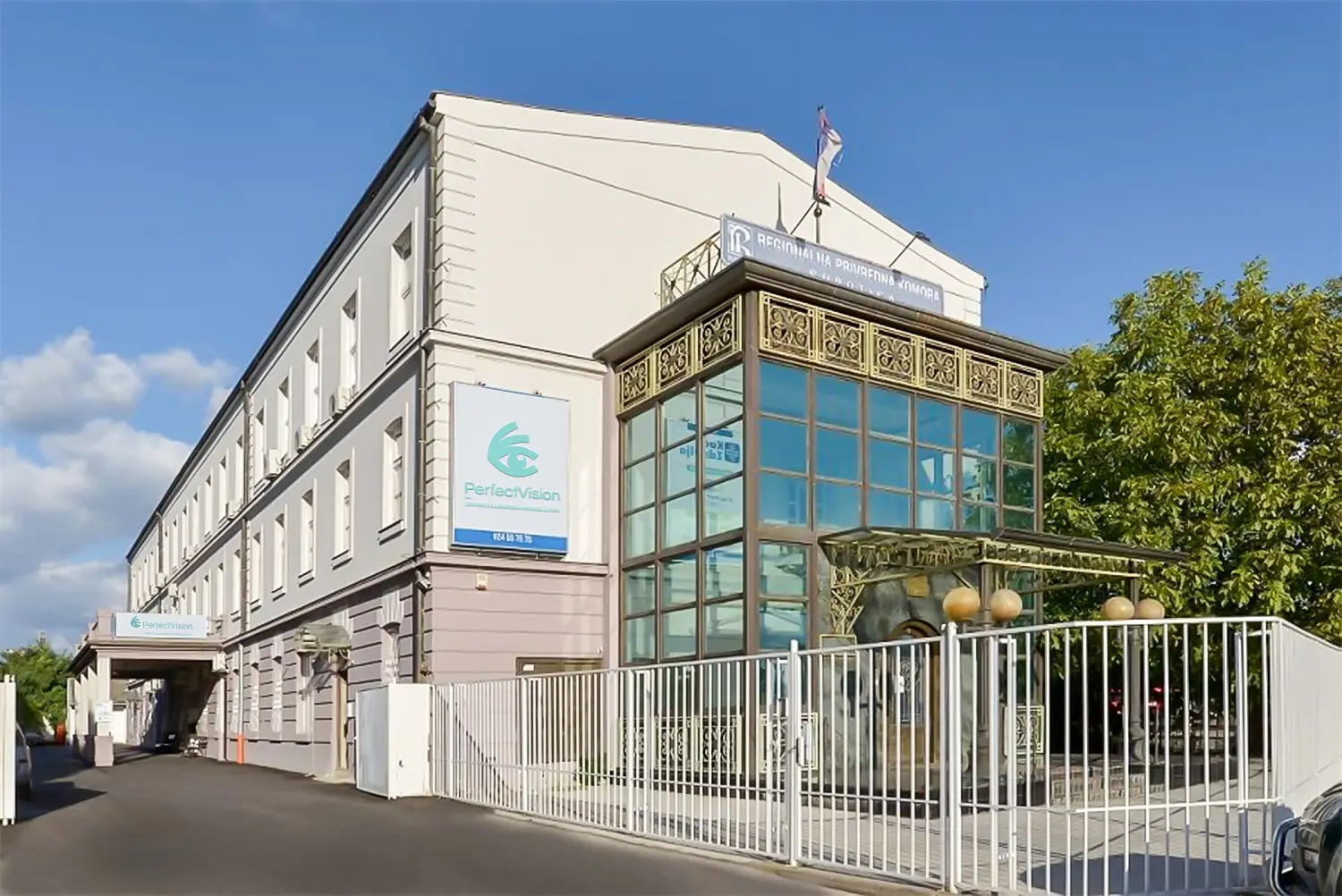


Perfect Vision is a Center for Laser Eye Surgery, located within the Polyclinic House of Health, based in Subotica. Visit us!


We have an ISO certificate according to ISO 9001: 2015, registration number 12 100 59137 TMS for the area of Diagnostic, Conservative and Surgical Ophthalmic Services, issued by the certification body TÜV NORD CERT GmbH.


