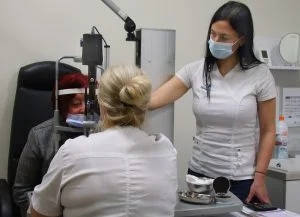
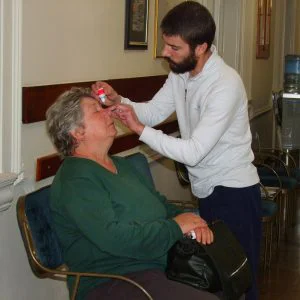
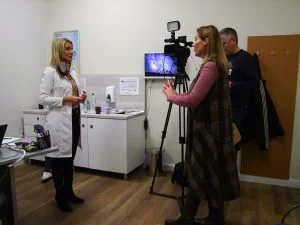
On the occasion of the World Diabetes Day, we provided fellow citizens diagnosed with diabetes with a free fundus examination, with individual consultations with a doctor. Examinations were carried out in the premises of our Eye Center.
Doctors and nurses from our professional team participated in this humanitarian action, which has a tradition of more than a decade.

Diabetes causes numerous vision problems, and the most serious complication is diabetic retinopathy, which occurs in more than 85 percent of diabetics.
The disease has no pronounced symptoms until the advanced stage, when significant visual impairments occur, leading to blindness if the disease is not detected and treated in time. Regular controls of the eye fundus in patients with diabetes are of great importance in order to detect the disease in time and to start adequate treatment. By initiating and organizing such actions, we are trying to educate the population about the importance of regular eye examinations as a basis for preventing the most serious consequence of diabetes for vision – permanent vision loss.
You can schedule a preventive examination through our call center: 024 45 45 000 or 060 55 75 754.
We would like to thank Subotica.com and Yu Eco Television for covering our work.
The humanitarian action on the occasion of celebrating the World Diabetes Day is a tradition that we are nurturing with great pleasure for the 11th year in a row .
This year, too, we provided free eye fundus examinations to our fellow citizens who were diagnosed with diabetes, with individual consultations with a doctor . The examinations were performed on November 17 in the premises of our Eye Center.
As in previous years, the interest was really high and the available appointments were filled in just a few hours.
Doctors and nurses of our professional team participated in the action. Each patient underwent an examination of the fundus, with expert advice and recommendations for further treatment.
Diabetes causes numerous vision problems, and the most serious complication is diabetic retinopathy , which occurs in more than 85% of diabetics.
Unfortunately, the disease has no pronounced symptoms until the advanced stage, when significant visual impairments occur, leading to blindness if the disease is not detected and treated in time.
Regular controls of the eye fundus in patients with diabetes are of great importance in order to detect the disease in time and to start adequate treatment.
By initiating and organizing such actions, we are trying to educate the population about the importance of regular eye examinations as a basis for preventing the most serious consequence of diabetes for vision – permanent vision loss.
For the 7th year in a row, the team of the Center for Laser Eye Surgery “Perfect Vision” celebrated the World Diabetes Day in a traditional way. At the Open University, a lecture was held on the impact of diabetes on vision and fundus examinations.
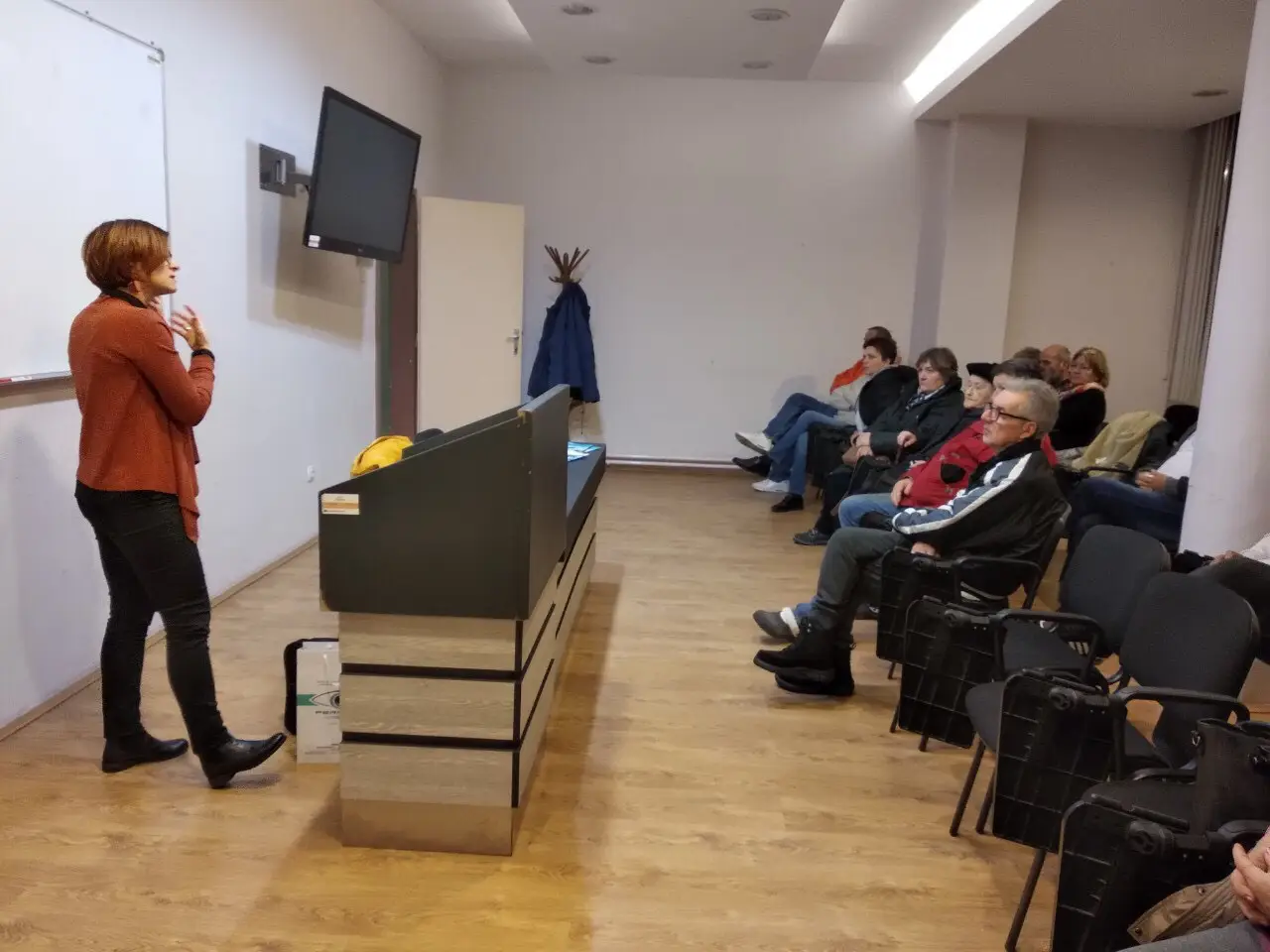
Dr. Ivana Ambruš Ivazović introduced our fellow citizens to risk factors that can lead to eye complications in diabetics, as well as treatment methods. She emphasized the importance of prevention and regular annual examinations, in order to detect the disease at an early stage. She also pointed out that in as many as 80% of cases, type 2 diabetes can be prevented by adopting a healthy lifestyle. After examining the fundus, she described the condition of the fundus to each individual, giving suggestions for further monitoring of the disease and timely and adequate treatment.


It is estimated that around 425 million people have become ill in the world, with dark predictions that by 2040 this figure will reach 600 million. In our country, there are about 750,000 patients, which is 13.8% of the adult population.

At the invitation of the Association of Diabetics of Subotica, the team of our Eye Center organized a presentation on the premises of the Open University on May 23, with eye examinations for members of the Association.

The lecturer, Dr. Ivana Ambruš Ivazović, introduced all those present to the harmful effects of diabetes on vision and ways of treating diabetic retinopathy with an interesting presentation.
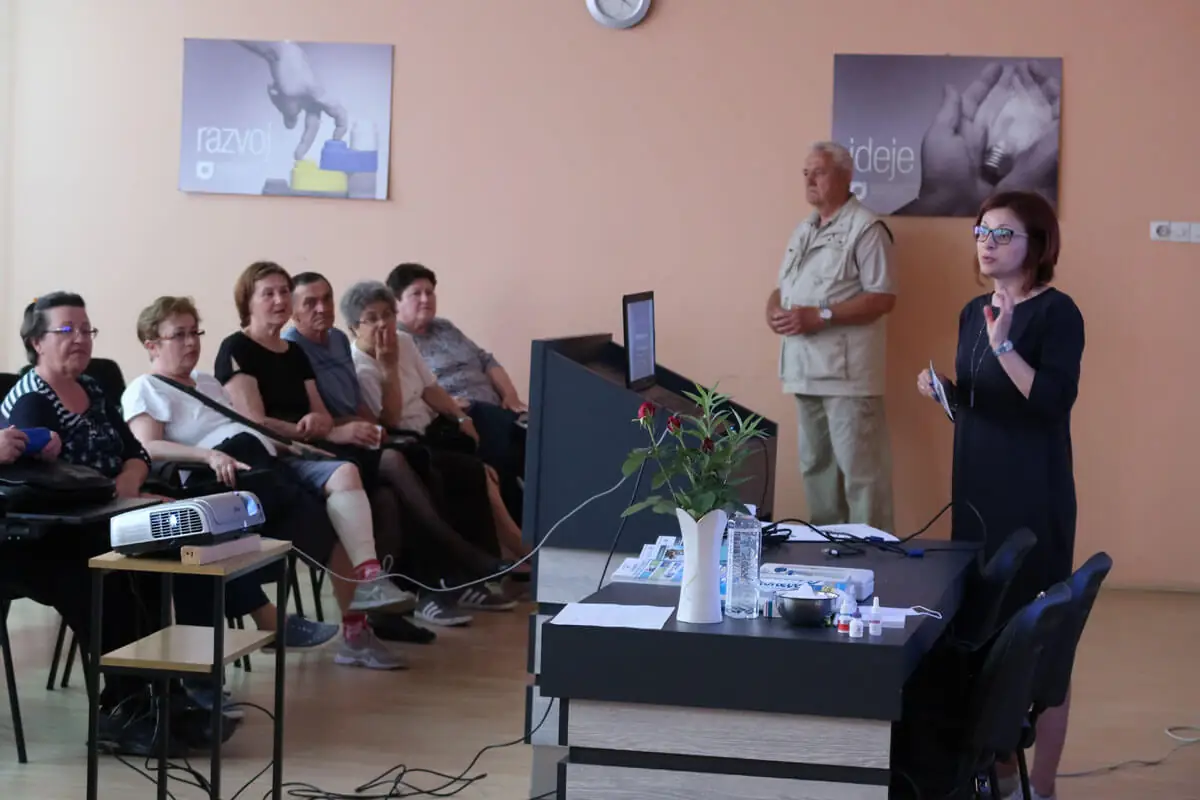
After the lecture, Dr. Ambruš performed fundus examinations, described the condition of the fundus to each patient individually and gave recommendations for further diagnostics, where indicated.
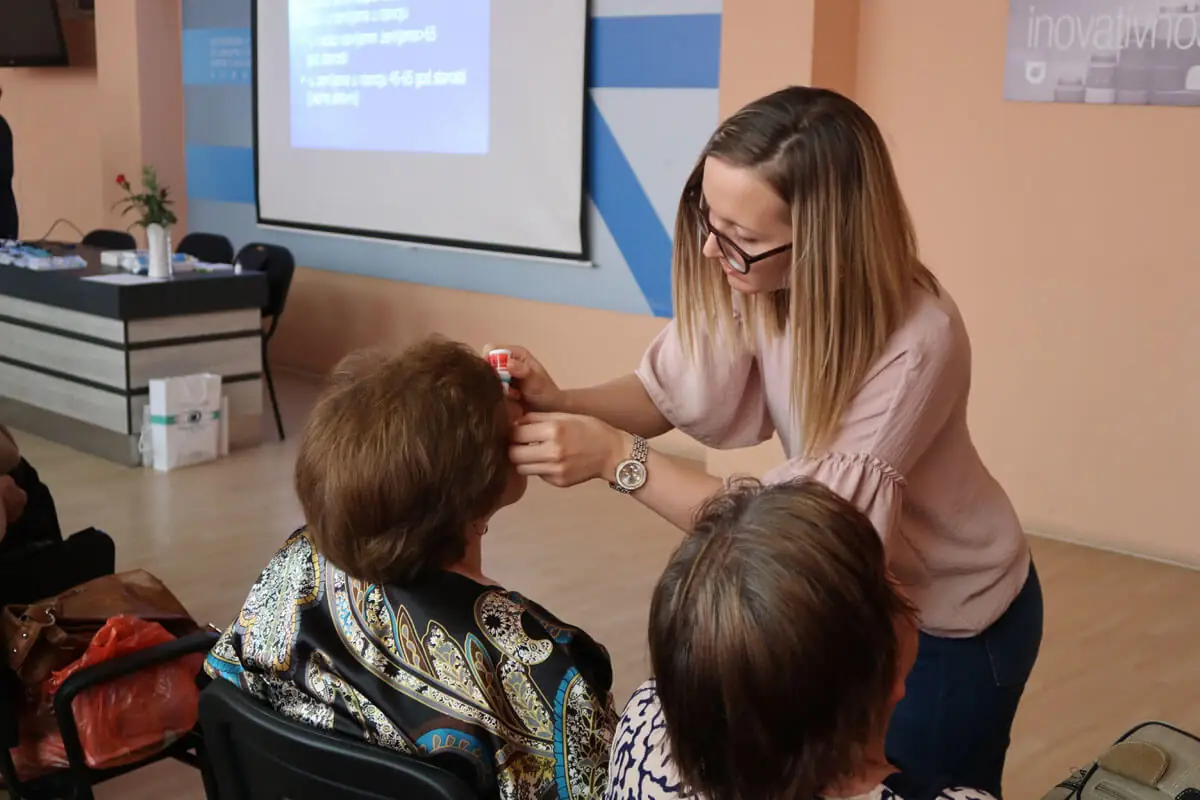

I can state with great satisfaction that these are mostly disciplined patients, whose disease is controlled and therefore the fundus is preserved. But bearing in mind that, according to official data in Subotica, about 10% of the total population fell ill, the question arises as to how realistic this picture really is. – points out Dr. Ambruš.
According to the latest research from 2017, around 415 million people in the world have diabetes, which is practically the population of the entire European continent. About 710,000 patients have been registered in our country, and more and more children and adolescents are among them. It is estimated that 39% of sufferers are unaware that they have diabetes, while this disease is even the 5th leading cause of death in Serbia.
See more photos here .
In the world health calendar, November 14 has a special significance because then the World Diabetes Day is celebrated around the world. On this occasion, the doctors of our professional team organized a traditional humanitarian action for our fellow citizens this year.

The action was held on November 19, 2015. in the premises of the Open University of Subotica, starting at 5 p.m. Our professional associate, asst. Dr. Jovanović Sandra , doctor of medical sciences and head of the retina department of the Eye Clinic in Novi Sad, held a very interesting lecture on “Diabetes Mellitus and the Eye”. A large number of our fellow citizens recognized the unique opportunity to attend the lecture of this renowned specialist in diseases of the posterior segment of the eye, with many years of experience in working with diabetics. After the lecture, the doctors of our professional team, Dr. Branka Ivošević and Dr. Ivana Ambruš Ivazović , together with Dr. Jovanović, performed free fundus examinations for all present and gave answers to numerous questions and dilemmas.
The aim of this action is to point out the importance of prevention and timely examinations in order to preserve the eyesight of diabetics. Diabetes is an insidious and very serious disease that gradually leads to damage of all blood vessels, including the blood vessels of the eye fundus, which can lead to vision loss. Black statistics show that the number of sufferers is constantly increasing, and the predictions of the International Diabetes Federation are that by 2020, the number of sufferers will reach more than 552 million.
See the photo gallery here .
Diabetes is an insidious and very serious disease that gradually leads to damage of all blood vessels , including the blood vessels of the eye fundus . These changes in the fundus, which are accompanied by a decrease in visual acuity, and in the most severe cases by permanent vision loss, are called diabetic retinopathy .
We talked about the importance of regular eye examinations for diabetics, as well as the methods of treatment, with the expert associate of the eye center of the House of Health, PhD Sandra Jovanović.
The doctor explained to us all the treatment methods available.
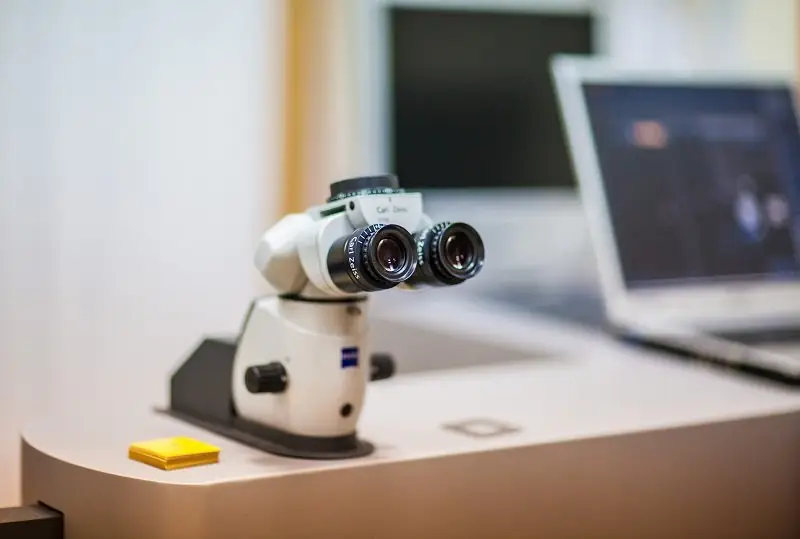
A novelty in the eye center of the House of Health is the application of the most modern form of therapy in the treatment of macular swelling, making the House of Health one of only a few clinics in the country that provides this type of service.
On the occasion of World Diabetes Day, which is celebrated worldwide on November 14, the expert team of Perfect Vision will contribute to the fight against this disease by holding lectures and free fundus examinations . This traditional action will be held on Thursday, November 19. at the Open University (room 213, 1st floor), starting at 5 p.m.

On the occasion of the recently held World Diabetes Day, 03.12.2014. In 2010, Dr. Spomenka Konstantinović was a guest of the show „Yueco afternoon“ on Yueco television. On this occasion, Dr. Konstantinović introduced the viewers to the harmful impact of diabetes on vision, as well as the importance of preventive eye examinations, as a prerequisite for successful and timely treatment. which was held on 03.12.2014. year. As part of this campaign, a lecture was held on the topic „Diabetes’ impact on eyesight“, as well as free eye examinations.

In diabetics, elevated blood sugar damages the blood vessels of the fundus of the eye (retina) and leads to the appearance of diabetic retinopathy.The danger posed by diabetic retinopathy lies in the fact long imperceptible progression of the disease without any visual disturbances. Only when the disease affects the center of the fundus (the macular) do the first symptoms appear in the form of a drop in visual acuity, caused by the accumulation of fluid and blood, that is, swelling in the macular.
The increased level of sugar in the blood causes damage to the blood vessels of the yellow spot and leads to their increased permeability. Accumulation of blood and fluid in the center of the fundus causes a decrease in visual acuity. The aim of the treatment is to maintain the existing visual acuity and prevent further progression of the disease using laser therapy and anti VEGF therapy which is a type of injection given in the eye, with the aim of reducing swelling and stabilizing the blood vessels.
In the examination of the fundus, it was noticed that due to damage to the circulation and reduction in nutrition of the retina, the formation of new, pathological blood vessels occurred. These blood vessels mean that you are in an advanced, proliferative stage of diabetes and that you are exposed to a high risk of bleeding, since the newly formed blood vessels are very sensitive. Laser treatment of the fundus aims to lead to their retreat and to prevent the further progression of the disease which would lead to severe visual impairment and blindness in the later stages.
A diabetic woman during pregnancy should every trimester go for an ophthalmological examination of the fundus (fundus of the eye), as pregnancy increases the risk of the appearance and/or progression of diabetic retinopathy (sugar disease of the fundus of the eye).
Because due to the very serious consequences that uncontrolled diabetes can have on vision, regular ophthalmological examinations are necessary for all diabetics, at least once a year or more often as recommended by an ophthalmologist. In this way, the disease can be detected at the earliest stage and enable timely laser protection of the fundus, which represents a safe prevention of severe visual impairment and blindness.

When a newly diagnosed diabetic consults an ophthalmologist, which should be the duty of every sufferer, if the eye fundus is undamaged, and it is about type II diabetes, a control will be advised at least once a year as long as there are no changes in the eye fundus, or more often if it is about type I diabetes. Pregnant women are advised to have an eye examination every trimester of pregnancy. If signs of diabetic retinopathy are detected already at the first ophthalmological examination, depending on its stage, the dynamics of further monitoring and therapy will depend. If a diabetic patient is not placed under the supervision of an ophthalmologist at this stage of the disease, precious time can be lost for the timely initiation of laser photocoagulation of the eye fundus, so the disease progresses uncontrollably and irreversibly damages vision.
Damage of the blood vessels of the eye fundus increases their permeability, which leads to leakage of blood and fluid. that is, until the appearance of swelling and the accumulation of fatty deposits. Only when these changes affect the macula (the center of the fundus), does the patient notice a decrease in visual acuity. Diabetic macular swelling is the leading cause of vision impairment in working-age people. About 14% of diabetics have this condition and the prevalence rises to 29% in diabetics who are on long-term insulin therapy. If it is not treated in time, 25% of patients will experience significant and irreversible vision loss in the next three years. Unfortunately, this stage indicates an already advanced disease and can be treated to some extent with injections given in the eye, often combined with laser therapy, which aims to prevent further leakage of blood vessels and to reduce the swelling of the macular, in order to stabilize the visual function.
If it is not started even at this stage treatment, with the further progression of the disease, reduced nutrition of the retina is a stimulus for the creation of new, pathological blood vessels, which also represents the most dangerous complication of diabetic retinopathy, because in the final stage it leads to the most severe visual impairment and eventually blindness. These newly formed blood vessels are of poor quality, they bleed easily, which the diabetic notices as the appearance of “smoke“ in the eye, if the hemorrhage is small, or as a dark spot or curtain in the eye, if the hemorrhage is larger, which is accompanied by severe visual impairment. In the case of minor hemorrhages, laser protection of the fundus is performed, and in the case of larger ones, a very complex and functionally often uncertain operation – vitrectomy. In this way, the disease can be detected at the earliest stage and enable timely laser protection of the fundus, which is today the only real way to treat diabetic retinopathy and safe prevention of serious visual impairment and blindness.
Perfect Vision is an Eye Laser Surgery Center located within the Kuća zdravlja Polyclinic, headquartered in Subotica.



Perfect Vision is a Center for Laser Eye Surgery, located within the Polyclinic House of Health, based in Subotica. Visit us!


We have an ISO certificate according to ISO 9001: 2015, registration number 12 100 59137 TMS for the area of Diagnostic, Conservative and Surgical Ophthalmic Services, issued by the certification body TÜV NORD CERT GmbH.


