Meibomian gland expression – the key to the health of your tear film and clear vision
What are Meibomian glands? Meibomian glands are small glands located in the eyelids that produce the lipid (fatty) component of…
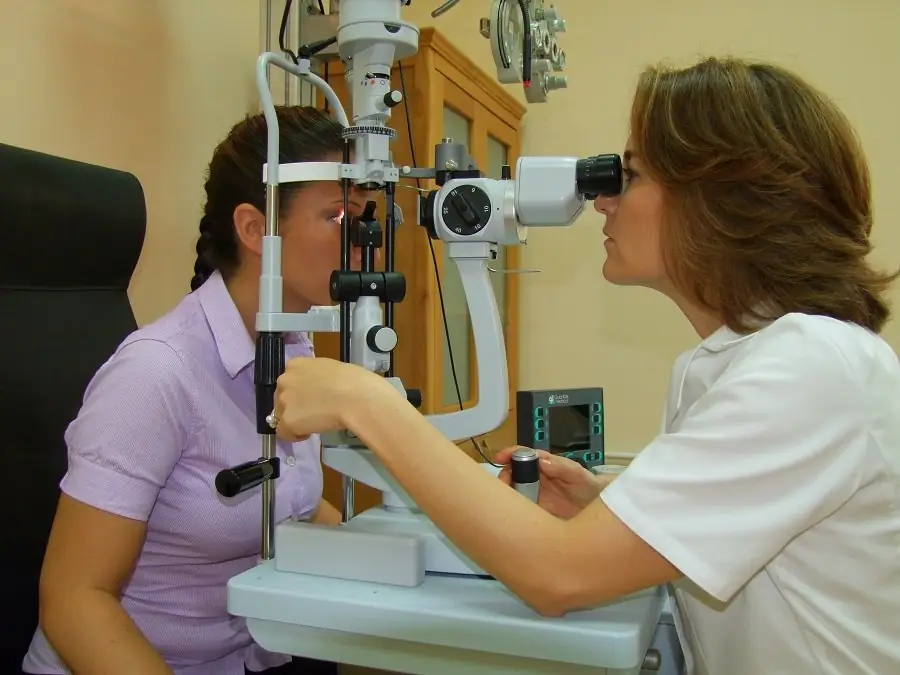
Ophthalmological examination is primarily a painless and pleasant clinical examination which has several stages and includes the following: recording of diopters on a keratorefractometer, correction of visual acuity at distance and near if necessary, measurement of eye pressure by painless contact tonometry, examination of biomicroscope of the front structures of the eye (lid, lacrimal apparatus, conjunctiva, cornea, iris, pupil and pupillary space), as well as the structure of the fundus with a wide pupil (optic nerve, macula, blood vessels, retina of the posterior pole and the periphery of the eye). is professional, objective and only after such an examination can one refer to potential further, more detailed examinations.
Babies (under 3 years of age)
You should make sure that your baby receives the first examination eyes already at the first pediatric examination. Then attention should be paid to disorders related to eye bulbomotors and a basic examination of the existence of a physiological red reflex in the eyes.
Children (aged 4 to 16)
Visual acuity check, as well as a complete review the anterior and posterior segment of the eye should be examined for the first time in the 4th year of life, and then routine examinations should be repeated every 2 years in order to monitor the development of the child’s eye and visual acuity, which are the most intense and vulnerable in this period. –>
Younger population (ages 17 to 39)
A complete ophthalmological examination is advised every two years, especially in young people with a positive family history, i.e. in people who have the presence of ophthalmic diseases in the near future and extended family, or who have a previous eye injury or surgical intervention.
Elderly population (over 40 years of age)
As years progress and degenerative changes affect all organs, the eye is not spared either. Symptoms such as a decrease in visual acuity at distance and near, falls in the form of opacities in the vitreous body, scratching and burning as part of dry eye syndrome, are some of the most common occurrences in this age group. In any case, the world’s recommendations are that the first complete ophthalmological examination should take place at the age of forty, when the need for reading glasses is most common. After a complete examination, the doctor decides, depending on the case, what would be the recommended frequency of further check-ups.
People who have predisposing risk factors such as diabetes, high blood pressure, the presence of glaucoma, cataracts or any other eye disease in the family should be checked more often.
[nggallery id=18]
Perfect Vision is an Eye Laser Surgery Center located within the Kuća zdravlja Polyclinic, headquartered in Subotica.
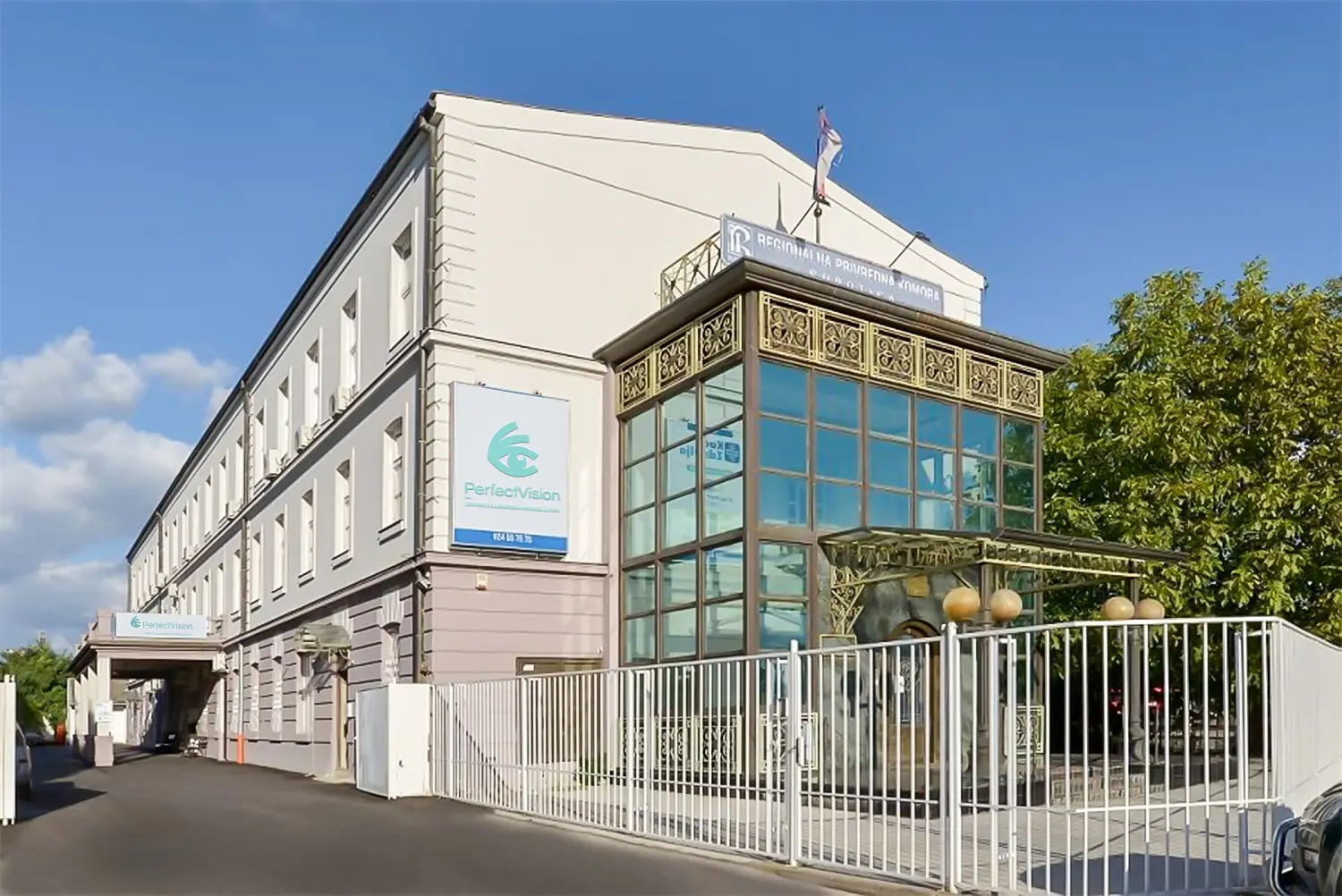


Perfect Vision is a Center for Laser Eye Surgery, located within the Polyclinic House of Health, based in Subotica. Visit us!


We have an ISO certificate according to ISO 9001: 2015, registration number 12 100 59137 TMS for the area of Diagnostic, Conservative and Surgical Ophthalmic Services, issued by the certification body TÜV NORD CERT GmbH.