
Meibomian gland expression – the key to the health of your tear film and clear vision
What are Meibomian glands? Meibomian glands are small glands located in the eyelids that produce the lipid (fatty) component of…
Today’s technologyhelps ophthalmologists a lot in diagnosing and treating glaucoma.
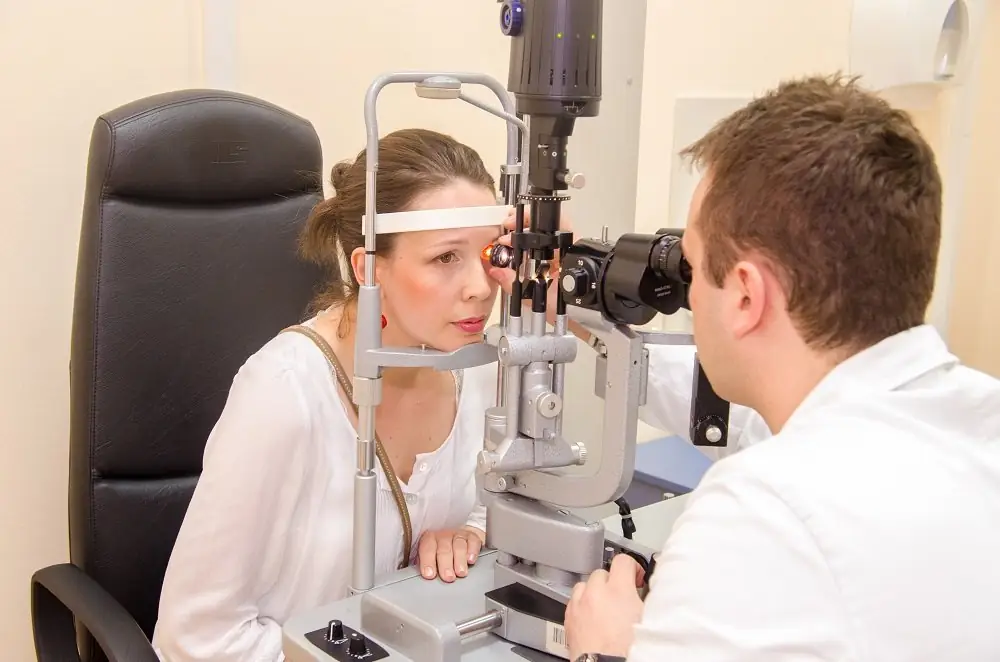
1. Examination on a biomicroscope to gain insight into the condition of both the structures on the anterior segment of the eye (anterior chamber chamber, iris and ventricular angle), as well as the morphological appearance of the optic nerve at the posterior pole of the eye. After the examination, if glaucoma is suspected, the doctor sends the patient for additional diagnostic procedures.
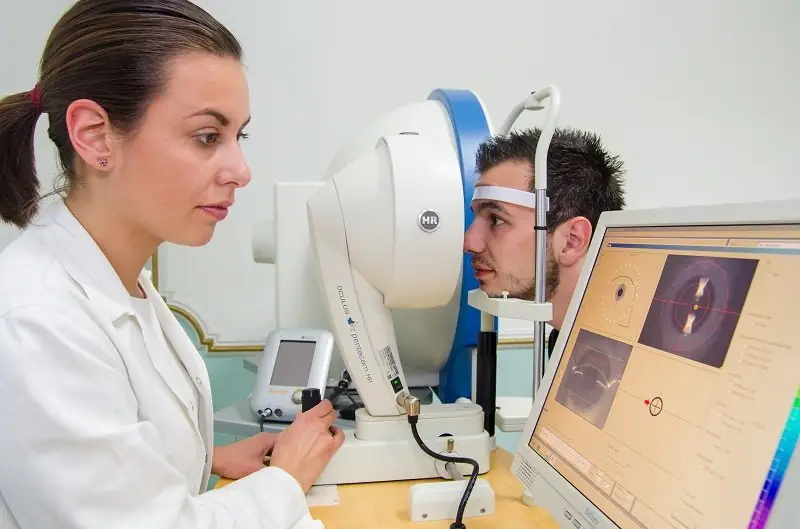
2. Examination on the optical coherence tomography machine, a very precise device that, with an accuracy of 4 micrometers, gives us a series of very useful parameters that help the ophthalmologist a lot when deciding whether to include therapy for glaucoma. The imaging is done by a non-contact method, very quickly, without radiation and, of course, completely painless.

4. A computerized field of view is one of the gold standards in the diagnosis of glaucoma. With this examination, in which the patient actively participates under the supervision of medical staff, he gains insight into the functional state of the visual field width, which is correlated with structural damage to the nerve fibers that make up the optic nerve.
5. Ultrasound Scan In patients whose condition of the optic nerve cannot be determined by examination on a biomicroscope, we get a rougher assessment of the condition of glaucoma, but important in preoperative planning of cataract or corneal surgery.
Perfect Vision is an Eye Laser Surgery Center located within the Kuća zdravlja Polyclinic, headquartered in Subotica.
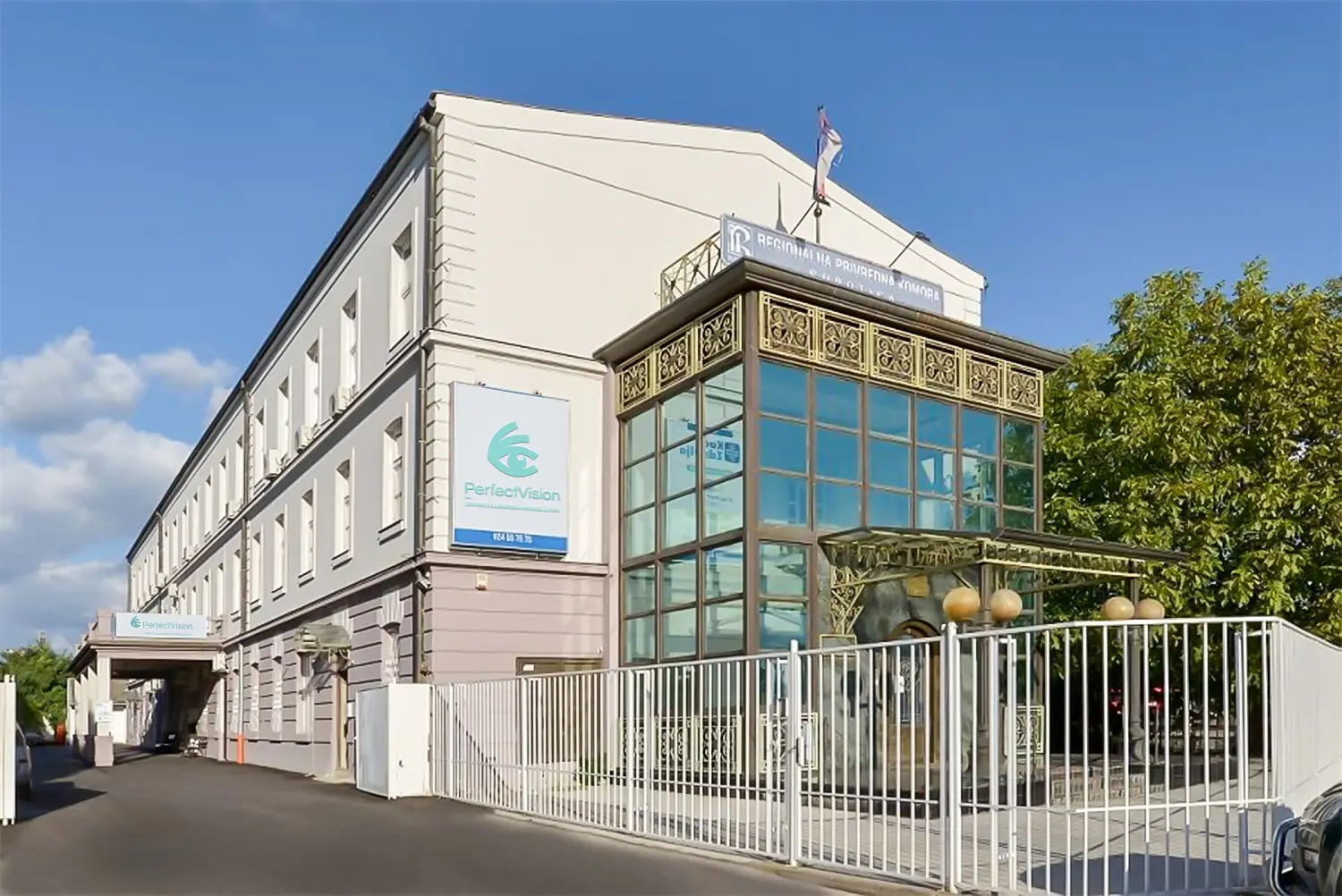


Perfect Vision is a Center for Laser Eye Surgery, located within the Polyclinic House of Health, based in Subotica. Visit us!


We have an ISO certificate according to ISO 9001: 2015, registration number 12 100 59137 TMS for the area of Diagnostic, Conservative and Surgical Ophthalmic Services, issued by the certification body TÜV NORD CERT GmbH.