Meibomian gland expression – the key to the health of your tear film and clear vision
What are Meibomian glands? Meibomian glands are small glands located in the eyelids that produce the lipid (fatty) component of…
Did you know that each of us can have a positive effect on our eyesight with a balanced, healthy diet? Certain foods have a beneficial effect on eye health, because they contain the necessary vitamins, minerals, antioxidants and other biologically valuable substances that favor better vision. Below we present eight foods that you should include in your daily diet.
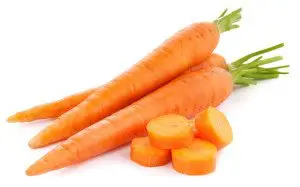
The first association when it comes to the beneficial effect of food on vision is certainly carrots. Thanks to the abundance of beta carotene (which is converted into vitamin A in the human body), lycopene and lutein, it protects the retina from harmful UVA and UVB radiation. It also contributes to reducing the risk of senile macular degeneration and cataracts.
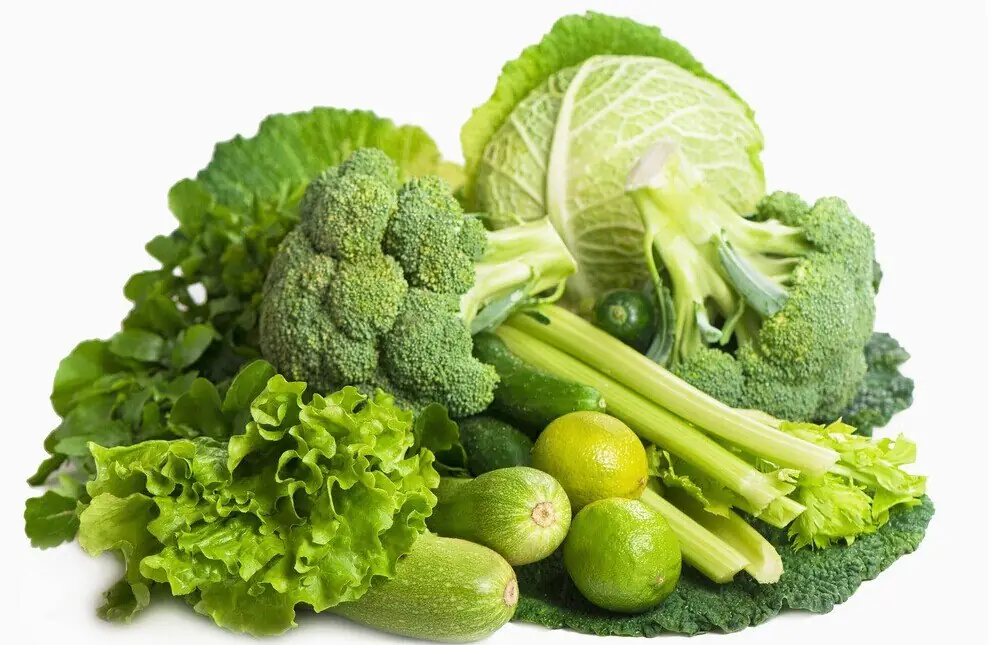
Broccoli, spinach, green salad and kale contain plenty of nutrients such as calcium, vitamins A, B12, C. Providing the eyes with necessary minerals and vitamins, they protect the central part of the retina – the macula from harmful UV radiation and reduce the risk of senile macular degeneration. We recommend regular intake of these vegetables and not overcooked, in order to maximize the use of nutrients.
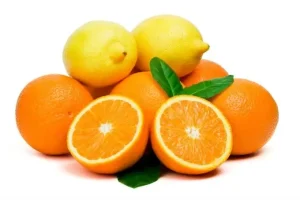
Oranges and lemons are very rich in vitamin C, which has a beneficial effect on eye health, since it improves eye pressure and contributes to reducing the risk of cataracts. Also, according to research results, by taking vitamin C daily, it is possible to slow down the progress of senile macular degeneration and the loss of visual acuity in people at high risk for the disease.

Fish is an excellent source of omega 3 fatty acids, which have a beneficial effect on eye health. It is especially recommended to consume salmon, tuna, cod, sardines and mackerel. Fish contains EPA and DHA, two omega 3 fatty acids that are important for eye cell health, providing structural support to cell membranes, and their increased intake is also recommended for dry eyes. They are also important because they stimulate the brain, which indirectly leads to better vision.
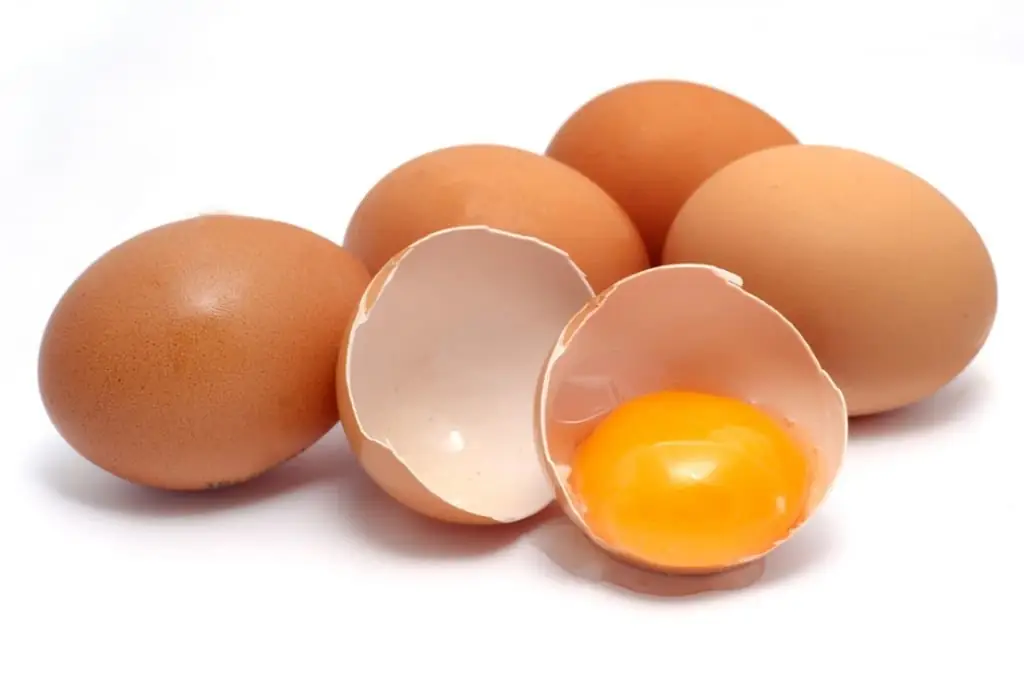
Eggs contain proteins that are beneficial to the lens of the eye, protecting it from oxidative damage. Darker yolks are especially good, because they contain vitamins and minerals that have an extremely beneficial effect on vision (lutein, sulfur, essential fatty acids, zinc and B vitamins), preventing eye diseases caused by aging but also contributing to maintaining the overall health of your eyes.
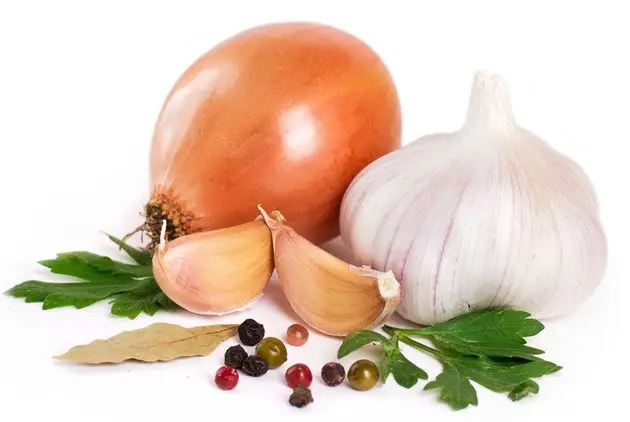
Onions (white and black) are known as “super” foods, since they have a generally beneficial effect on the health of the entire organism (strengthens immunity, improves circulation, reduces cholesterol). Being rich in sulfur compounds that support lens health, onions are thought to reduce the risk of age-related eye diseases (cataracts and degenerative diseases).
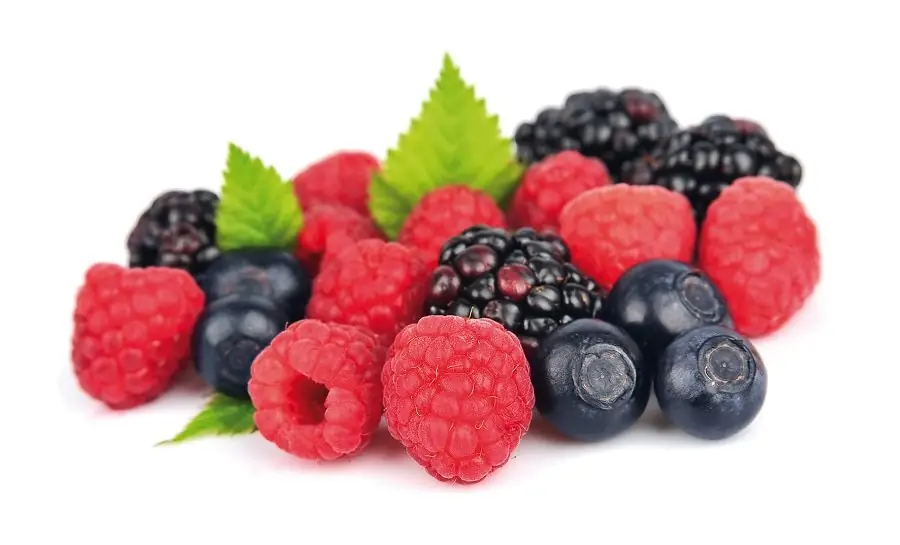
Blueberries, strawberries, raspberries, blackberries, currants and black grapes are foods that you should consume at least once a week. They contain anthocyanins, which protect and strengthen eyesight. They are rich in antioxidants and thus reduce the risk of age-related diseases such as cataracts.
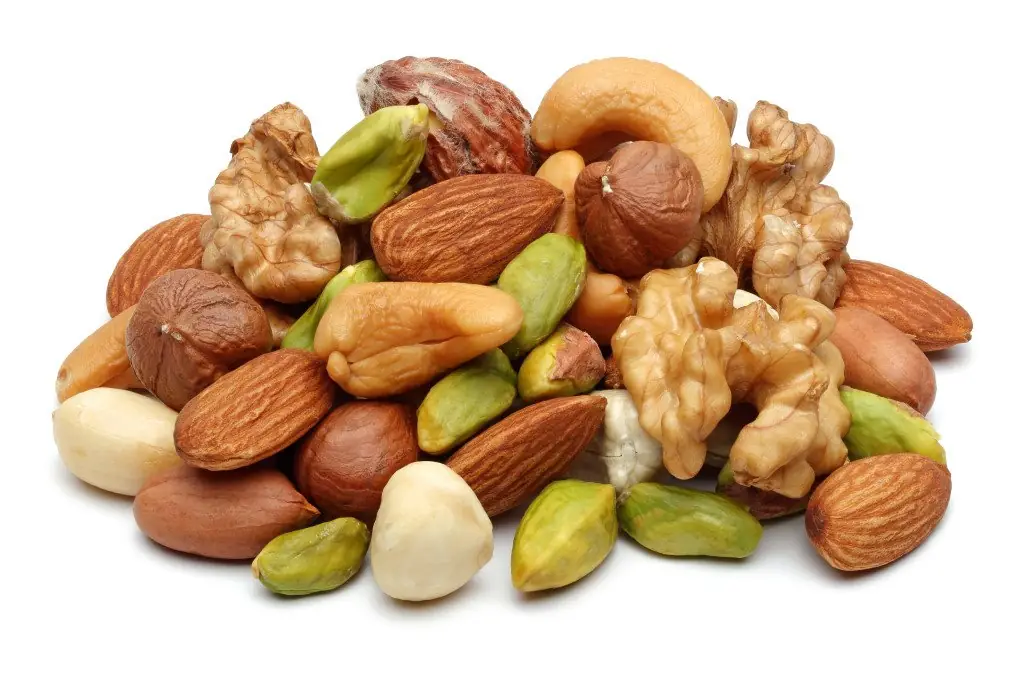
Almonds, peanuts and walnuts are extremely rich in vitamins that have a beneficial effect on eye health. First of all, these are vitamin E (regular intake of which has been proven to reduce the risk of cataracts and senile macular degeneration) and omega 3 fatty acids – DHA and EPA (which are important for eye cell health).
Perfect Vision is an Eye Laser Surgery Center located within the Kuća zdravlja Polyclinic, headquartered in Subotica.



Perfect Vision is a Center for Laser Eye Surgery, located within the Polyclinic House of Health, based in Subotica. Visit us!


We have an ISO certificate according to ISO 9001: 2015, registration number 12 100 59137 TMS for the area of Diagnostic, Conservative and Surgical Ophthalmic Services, issued by the certification body TÜV NORD CERT GmbH.