Meibomian gland expression – the key to the health of your tear film and clear vision
What are Meibomian glands? Meibomian glands are small glands located in the eyelids that produce the lipid (fatty) component of…

The color of our eyes, more precisely the color of the iris, is primarily determined by the concentration and redistribution of melanin, i.e. pigment. Due to improper development of the iris of the eye, caused by a violation of its pigmentation, the iris receives a different amount of melanin (pigment), and due to an excess or lack of melanin in the iris of the eye, a different color of the iris appears. This condition when a person has different colored eyes is called heterochromia.
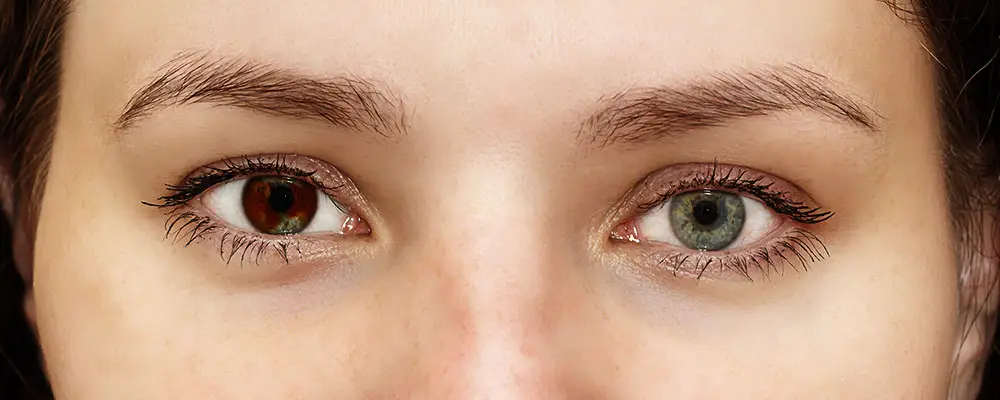
It is very important to emphasize that heterochromia most often does not represent a serious health condition, as it does not affect visual acuity.
Heterochromia can be congenital, ie. congenital (a genetic trait that is inherited from parents or extended family members), which is more common, or acquired, which occurs less often (due to physical damage to the iris, inflammation, consumption of a certain group of drugs for the treatment of glaucoma, or due to tumors).
Also, heterochromia can be complete (when one iris is a completely different color from the other, e.g. one eye is blue and the other is brown) or partial (when one part of the iris is a different color than the rest of the iris), which is often experienced by people suffering from hereditary autoimmune diseases such as Hirschsprung’s disease and Waardenburg syndrome.
Many famous people have different eye color, which did not prevent them from achieving success in their field. Some of the most famous are David Bowie, Robert Downey Jr., Mila Kunis, Kate Bosworth, Olivia Wilde, Aleksandar Makedonski, etc.
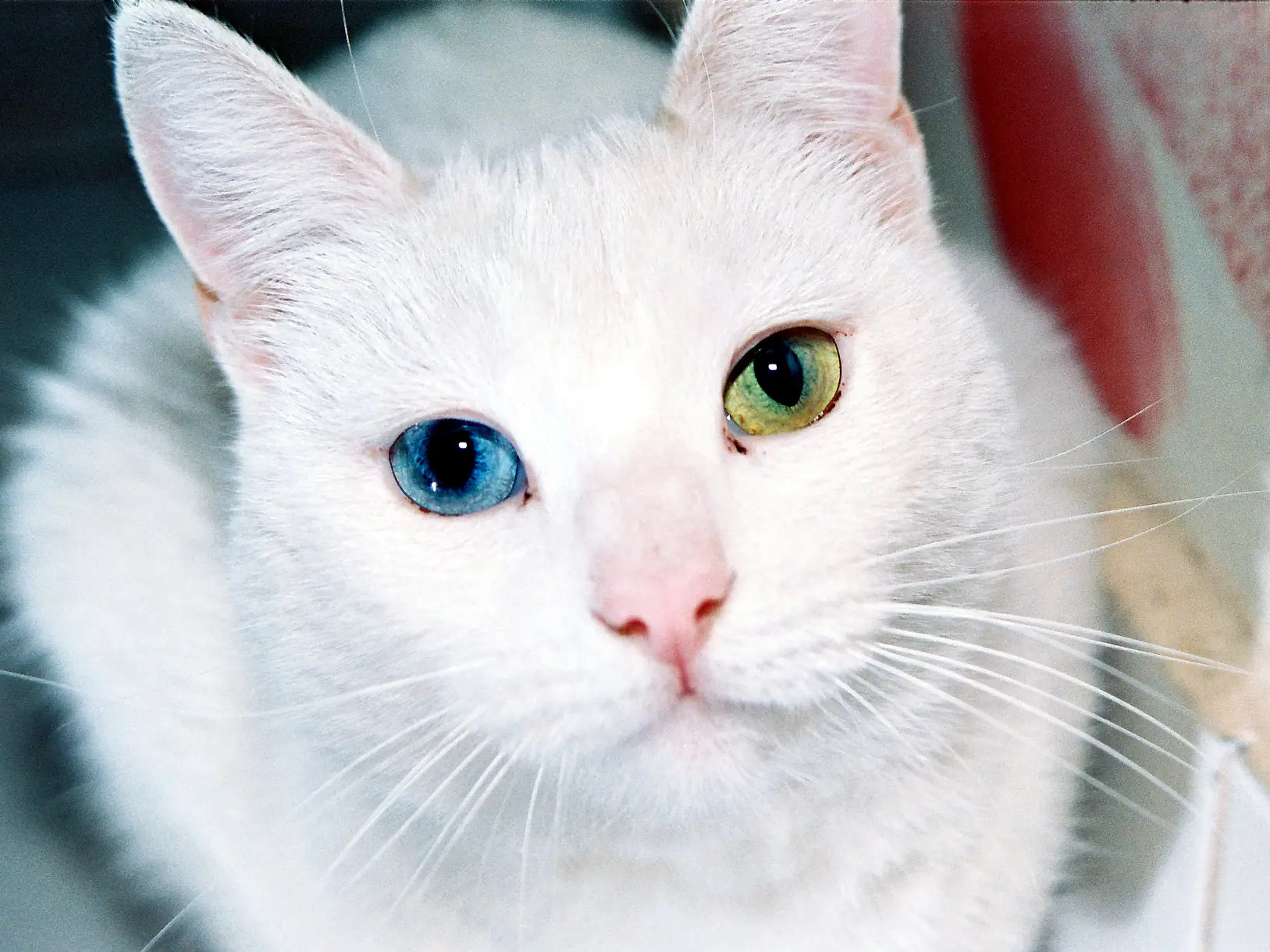
Different eye color is a much more common occurrence in animals, and most often occurs in dogs (Siberian Huskies and Australian Shepherds) and cats (mainly cats with white fur).
Perfect Vision is an Eye Laser Surgery Center located within the Kuća zdravlja Polyclinic, headquartered in Subotica.



Perfect Vision is a Center for Laser Eye Surgery, located within the Polyclinic House of Health, based in Subotica. Visit us!


We have an ISO certificate according to ISO 9001: 2015, registration number 12 100 59137 TMS for the area of Diagnostic, Conservative and Surgical Ophthalmic Services, issued by the certification body TÜV NORD CERT GmbH.