Meibomian gland expression – the key to the health of your tear film and clear vision
What are Meibomian glands? Meibomian glands are small glands located in the eyelids that produce the lipid (fatty) component of…
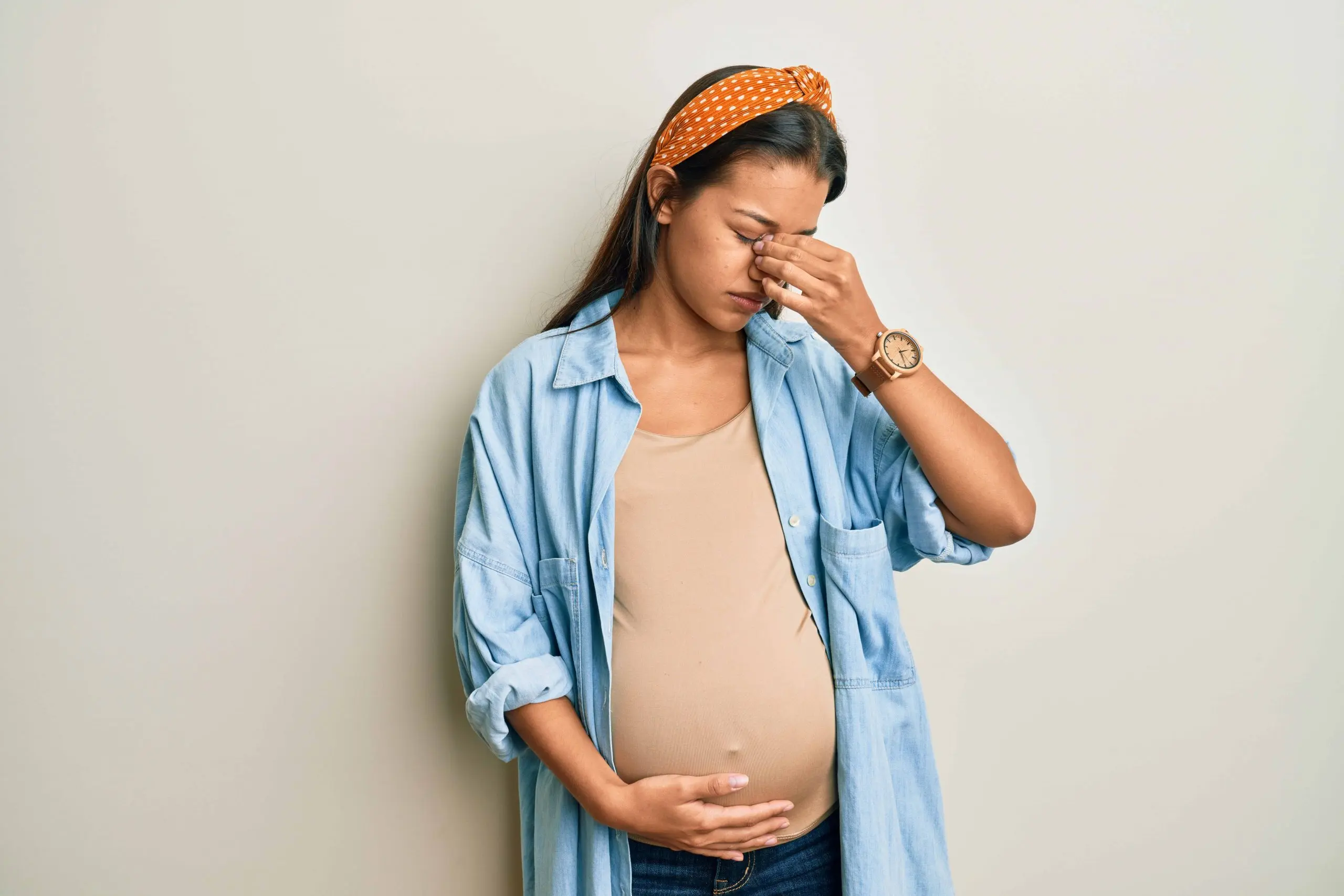
During pregnancy, numerous changes occur in a woman’s body. Thus, “another state” can also lead to certain changes in vision, due to water retention, most often in the cornea. This is especially pronounced in the 3rd trimester of pregnancy.
These are mainly temporary diopter changes (most often in myopic persons) that gradually disappear after childbirth or cessation of breastfeeding. However, there are more serious situations in which it is necessary to seek the advice of an eye doctor.
One of the most common ophthalmological diagnoses in pregnancy is “false myopia” or pseudomyopia. It is caused by a spasm or excessive strain of the accommodative muscle that allows us to distinguish objects regardless of their distance, since the entire organism of a pregnant woman works under a greater load. Also, during pregnancy, the number of blinks decreases, which also adversely affects image sharpening due to eye dryness.
It is important to emphasize that these diopter variations are temporary and most often not drastic. Therefore, in most cases, new glasses are not needed.
Women who wear contact lenses often complain that contact lenses bother them during pregnancy. This happens due to swelling of the cornea due to the accumulation of fluid and the general increased sensitivity of the whole organism during the second condition. 
If you notice that the image is not clear with contact lenses, there is no need to change the diopter. It is probably false myopia that will disappear quickly. A temporary solution may be to wear glasses or contact lenses for a short period of time, following these tips:
• avoid sleeping with lenses even for a short time
• pay more attention to hygiene measures when maintaining lenses
If the feeling of discomfort does not decrease, be sure to consult your ophthalmologist. The doctor may prescribe artificial tears that can be combined with contact lenses or lens care products that contain humectants, which can relieve the feeling of dryness and irritation.
Due to the accumulation of fluid, a slight swelling of the eyelids may occur or the upper eyelid may droop slightly. Changes in hormones can lead to dark discoloration of the eyelids or the appearance of dilated capillaries on the eyelids.
All the mentioned changes are short-term, ie. they retire after giving birth.
Due to hormonal changes and changes in the composition of the tear film, severe eye dryness can occur during pregnancy and breastfeeding.
Ask your ophthalmologist which eye drops you can use to improve eye moisture and are safe for pregnant and/or nursing women. It is preferable to choose artificial tears without preservatives. Follow the general advice to blink as often as possible and take regular breaks while working on the computer.
Pregnant women with diabetes are advised to have dilated examinations in each trimester of pregnancy. Worsening of diabetic retinopathy is very common during pregnancy, so regular monitoring of the condition of the fundus is necessary.
Be sure to schedule an ophthalmological examination at the beginning of pregnancy or even during the pregnancy planning period, if you have been diagnosed with glaucoma . Often, the condition of the disease improves during pregnancy, so it is necessary for the ophthalmologist, if deemed necessary, to correct the existing therapy. 
You should consult an ophthalmologist immediately if you notice any of the following symptoms during pregnancy:
• blurred vision
• sensitivity of the eyes to light
• flashes, lightning, shining before the eyes
• “flies”, “tips” or dots that swim in the eye
• spots or flickering before the eyes
• drawing the “curtain” in the field of vision
• swollen eyelids
• pain or redness in the eye
• scratching or feeling of a foreign body in the eye
Pregnant women with high myopia should have an examination of the periphery of the fundus before giving birth. If necessary, the ophthalmologist will perform laser protection of the fundus in a timely manner.
During this examination, the ophthalmologist will assess the risk of natural birth of degenerative changes on the periphery of the retina, will advise a caesarean section due to the risk of retinal rupture and retinal ablation (detachment).
Pregnancy and breastfeeding are contraindications for laser diopter removal. It is not recommended to remove diopters 6 months after giving birth, during pregnancy and breastfeeding, as well as 6 months after childbirth and/or cessation of breastfeeding. Possible reasons for this are changes in diopters, pronounced dryness of the eye, as well as thickening of the cornea due to fluid retention.

Perfect Vision is an Eye Laser Surgery Center located within the Kuća zdravlja Polyclinic, headquartered in Subotica.
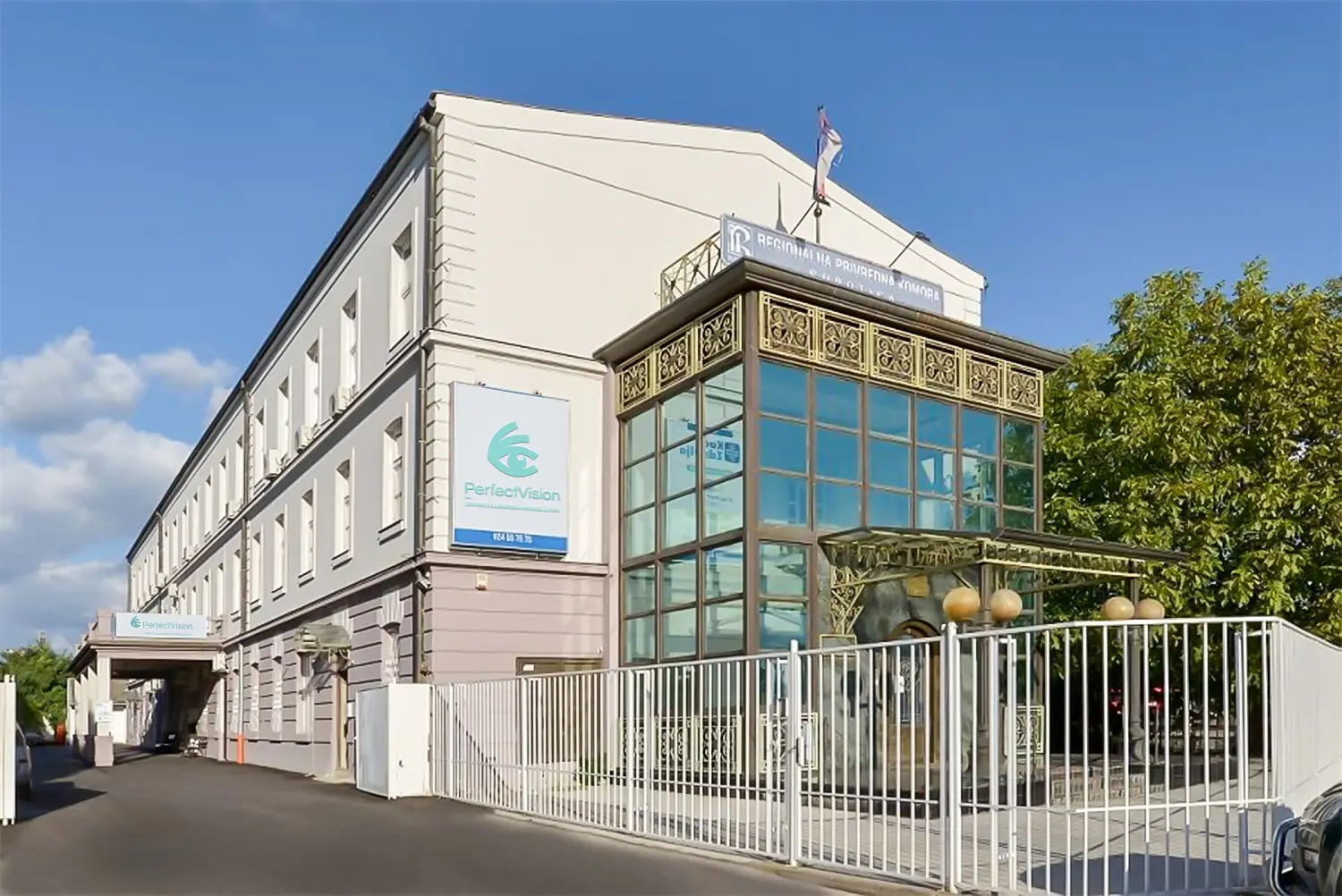


Perfect Vision is a Center for Laser Eye Surgery, located within the Polyclinic House of Health, based in Subotica. Visit us!


We have an ISO certificate according to ISO 9001: 2015, registration number 12 100 59137 TMS for the area of Diagnostic, Conservative and Surgical Ophthalmic Services, issued by the certification body TÜV NORD CERT GmbH.