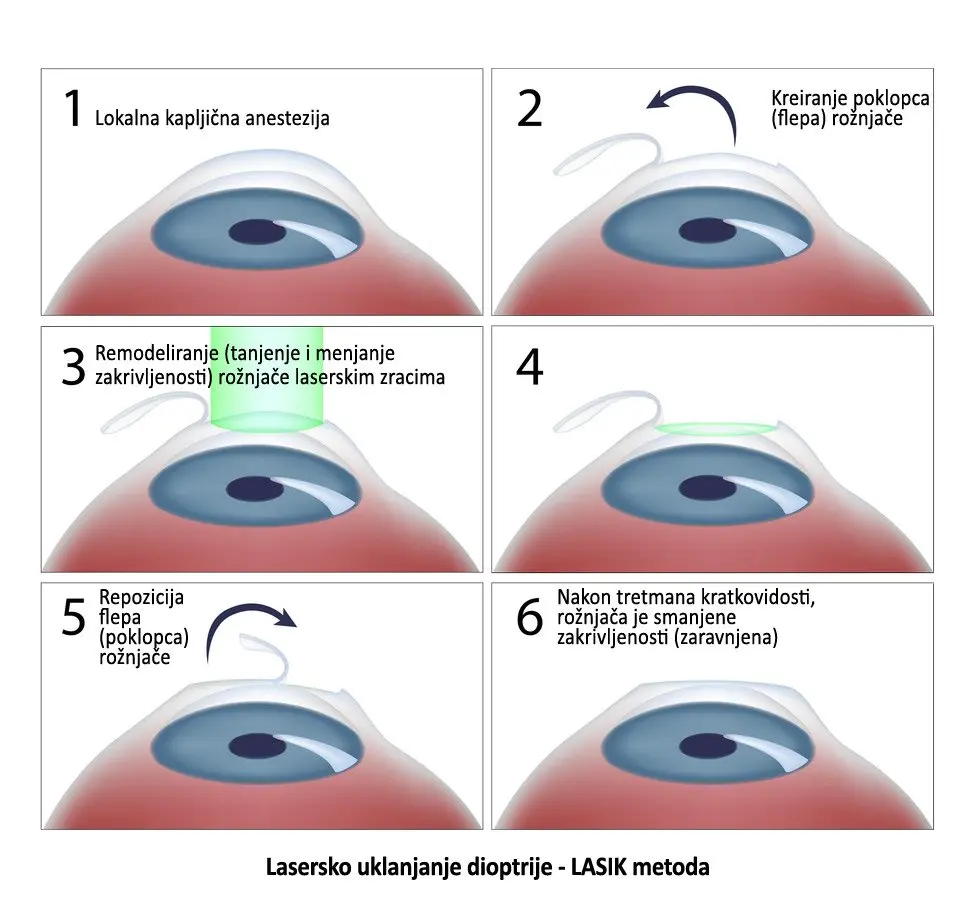
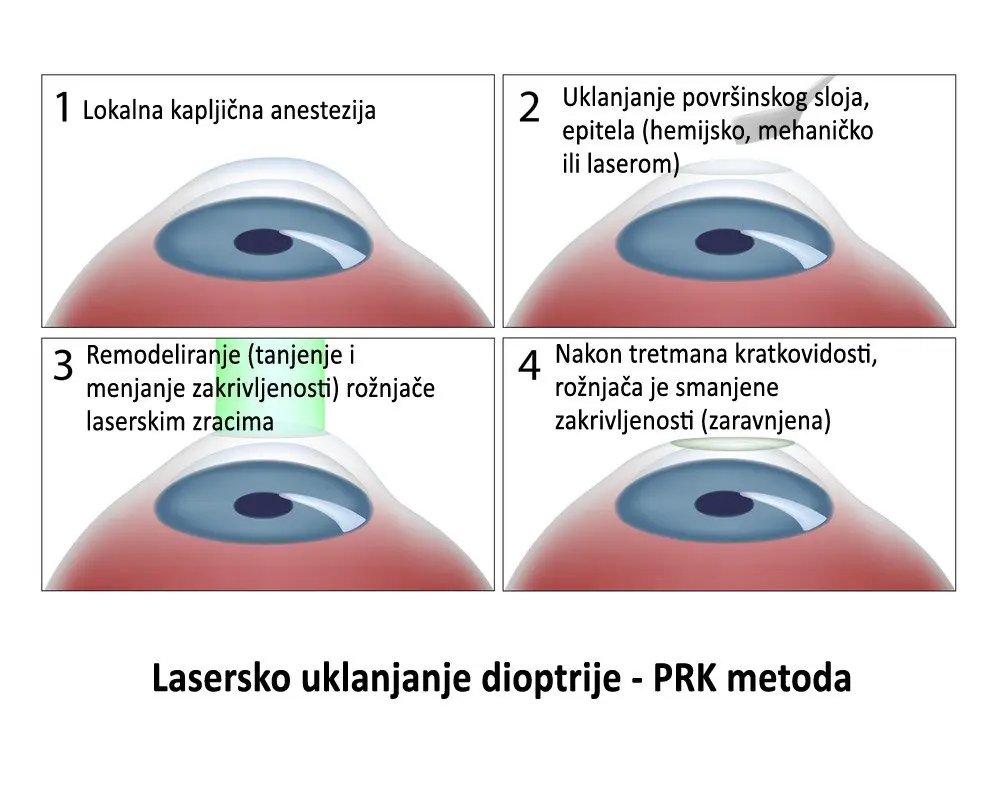
In most cases, laser removal of diopters is performed using two techniques: LASIK and PRK , which we also use in our eye center to correct patients’ diopters. Both methods are equally successful with the end result of clear vision without the use of glasses or contact lenses. But which one is best for you? Which would Dr. Branka Ivošević recommend? Read below.
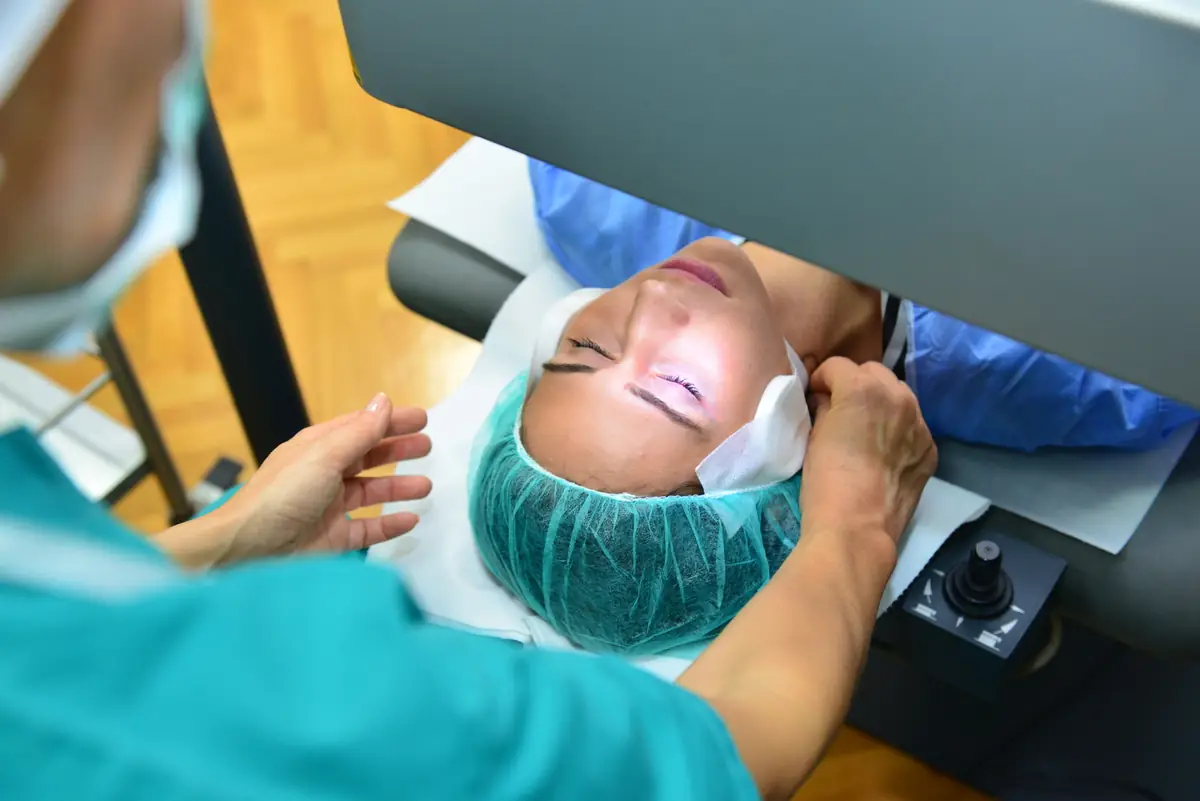
Both methods are almost completely painless. A small device is placed on the eyelids to prevent blinking during the intervention.
Patients often ask me that. There are compelling reasons why I prefer the PRK technique. My seventeen-year practice has shown me that for the LASIK blade, which really gives a wow effect in the form of a quick recovery, it still cuts the cornea and makes the eye more resistant compared to the PRK technique, where the cornea is not cut and the eye remains much more resistant to any injuries. You never know whether an eye injury will occur during various sports activities or during the performance of various professional activities. In that case, patients whose dioptres were removed using the PRK technique have a much better prognosis, because then the eye behaves like any healthy eye that has not undergone previous surgical intervention. Another great benefit of this technique is that patients who may develop glaucoma at some point in their lives have a much better prognosis, that is, glaucoma will be treated much better and vision will be preserved for longer. Therefore, as a surgeon, I am aware that my decision can sometimes be very fatal for patients, and my personal opinion is that I think long-term about the health of our patients’ eyes.
After the examination, the ophthalmologist is obliged to assess which technique the patient is a better candidate for. In a long series of years, performing patient examinations and preparations for laser diopter removal, I have noticed, especially in the last 5-6 years, that young patients come to us who increasingly have pronounced dry eye syndrome. One of the mandatory parts of the examination for this operation is the measurement of the tear film. As dry eye syndrome has become a frequent occurrence, it is another factor that has led me in the direction of making PRK my dominant technique. It can be performed precisely on patients who have dry eye and does not disturb their tear film nearly as much as the LASIK technique does. Another additional benefit of the PRK technique is that it can be performed in patients who have a very thin cornea, and if retreatment is needed (re-removal of the restored smaller part of the diopter over time) it is technically much easier to do because the cornea is thicker after this technique and it is possible to remove almost every “returned diopter”.

Postoperative recovery varies. With the LASIK technique, it is somewhat shorter and the symptoms are very mild. Unlike LASIK, patients after PRK experience some post-operative symptoms such as scratching, burning and tearing and these symptoms last 2 to 3 days after surgery. As far as vision is concerned, the same improvement in vision is obtained with both LASIK and PRK techniques, but the recovery of vision with PRK technique is slightly longer. If you were to ask me personally which technique I would use to remove my diopter, it would always be the PRK technique.

We hope that we have answered your questions and at least somewhat dispelled some of your fears. We are always at your disposal for all questions and concerns. Write to us at marketing@kucazdravlja.rs or contact us through our social networks.
Perfect Vision is an Eye Laser Surgery Center located within the Kuća zdravlja Polyclinic, headquartered in Subotica.
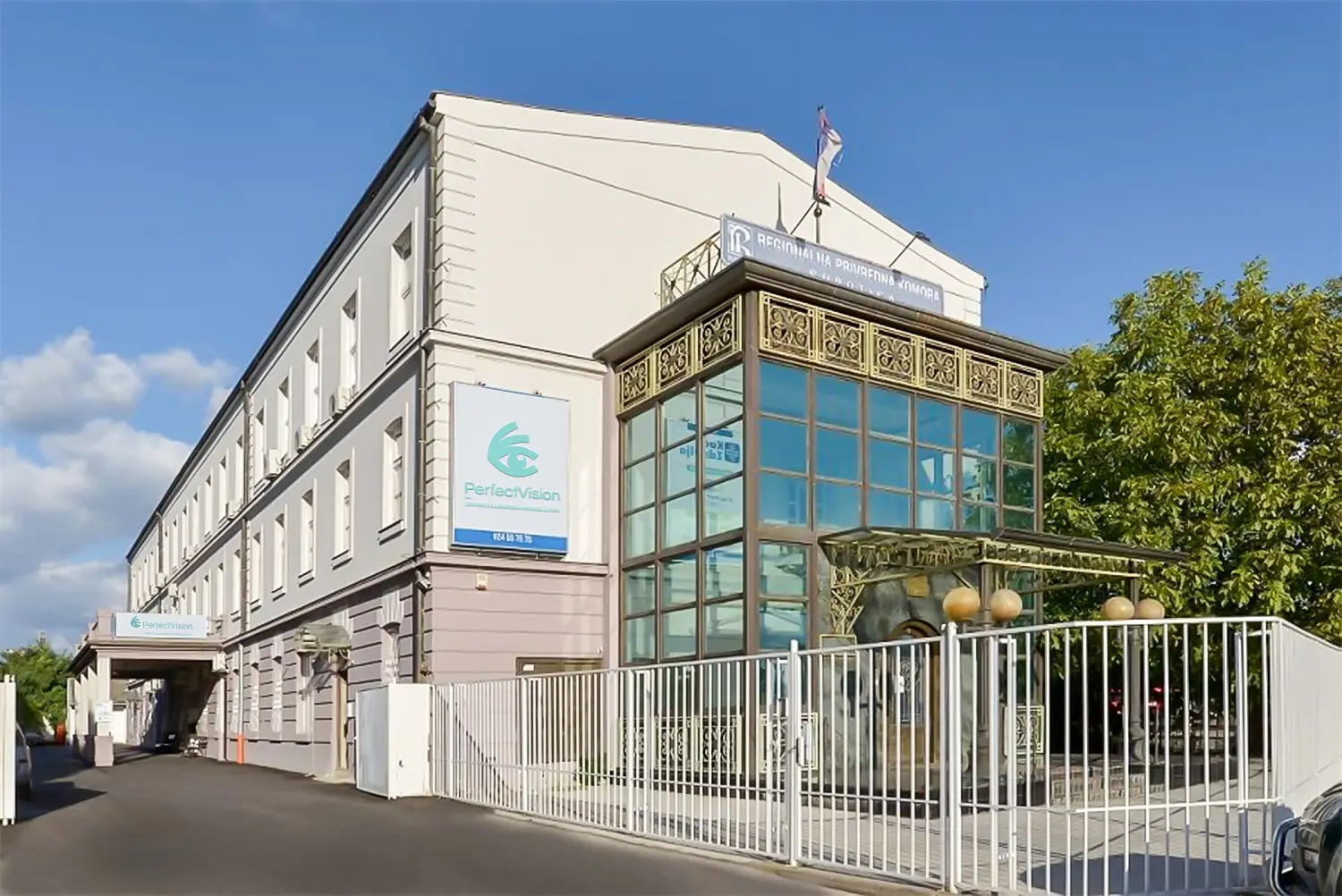


Perfect Vision is a Center for Laser Eye Surgery, located within the Polyclinic House of Health, based in Subotica. Visit us!


We have an ISO certificate according to ISO 9001: 2015, registration number 12 100 59137 TMS for the area of Diagnostic, Conservative and Surgical Ophthalmic Services, issued by the certification body TÜV NORD CERT GmbH.