Meibomian gland expression – the key to the health of your tear film and clear vision
What are Meibomian glands? Meibomian glands are small glands located in the eyelids that produce the lipid (fatty) component of…
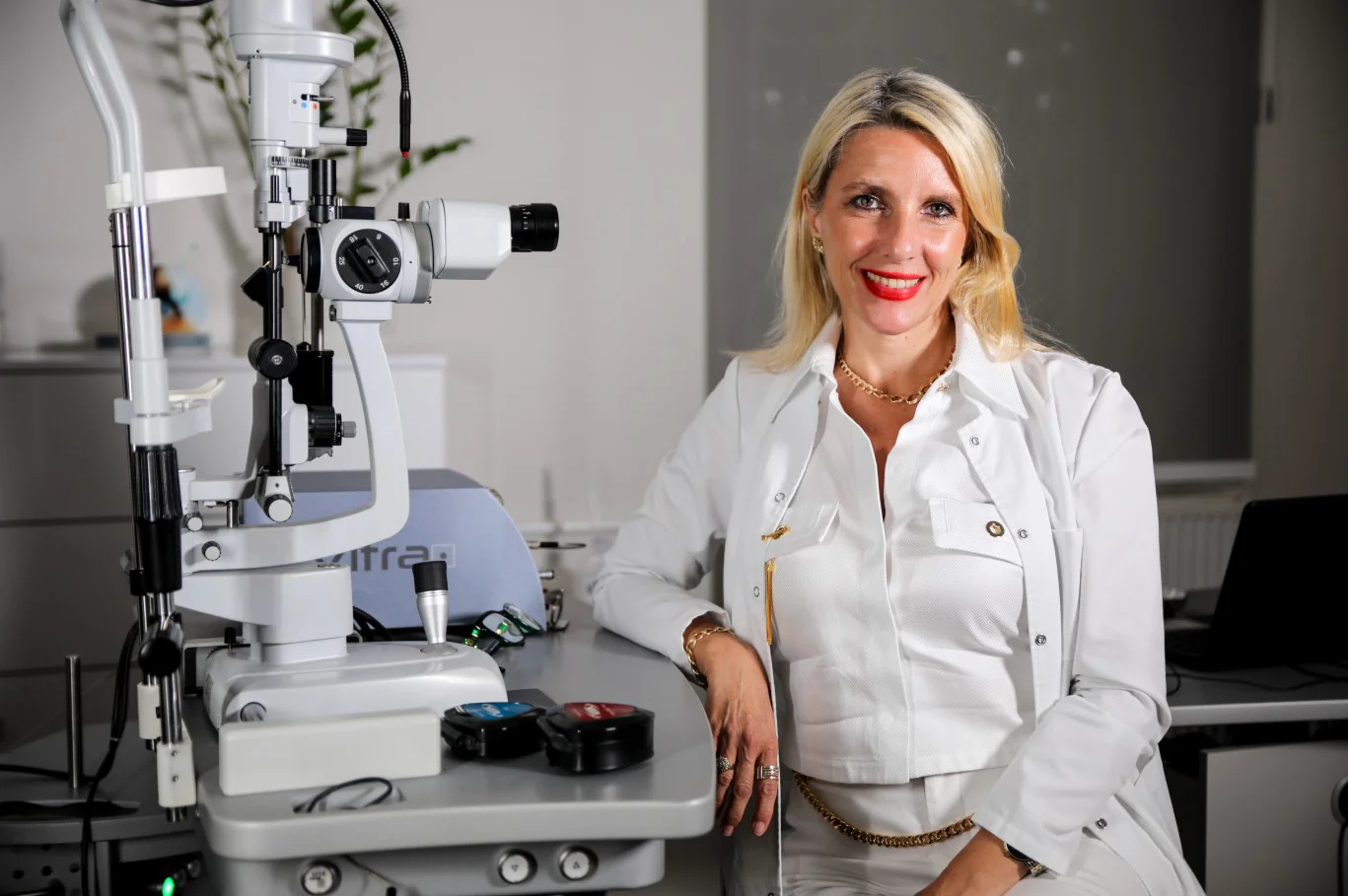
On the occasion of World Diabetes Day, expert associate of the Center for Laser Eye Surgery “Perfect Vision”, expert for the posterior segment of the eye and vitroretinal surgeon, prof. Dr. Sofija Davidović , author of the text on diabetes and diabetic retinopathy, from her many years of experience as head of the department for the posterior segment of the eye and deputy head of the Clinic for Eye Diseases of the University of Vojvodina in Novi Sad, extracted the most important information about what diabetic retinopathy is, what are the symptoms, consequences of this disease, risk groups and how to treat it.
Millions of people with diabetes face daily challenges to manage their metabolic state, at home, at work, at school, and in general, in everyday life. They must be aware of their disease, well organized and responsible towards themselves, their family and society, because the diabetes disease with its complications can significantly affect their health, both physical and mental well-being.
World Diabetes Day, November 14 , is celebrated every year in over 160 countries around the world, with the aim of raising the level of importance of prevention, early detection and timely treatment of diabetes and its complications, and to support sufferers in the fight for a better life with diabetes.
Diabetic retinopathy is an eye health disorder that can cause reduced vision and sometimes even blindness in people who have diabetes.
Diabetes damages all blood vessels in the body and leads to macro- and microvascular complications. It has a particularly bad effect on the blood vessels in the retina (the light-sensitive micron layer of tissue in the back of the eye).
If you have diabetes, it is important to have a comprehensive eye exam at least once a year, with a dilated fundus examination and macular imaging (macular OCT).
Diabetic retinopathy may have no symptoms at first, but if you detect it early, you can take the necessary steps to further protect your vision. Managing your diabetes – with physical activity, a healthy diet and taking your medication regularly – can also help prevent or delay the onset of eye complications and subsequent vision loss.
In the early stages, there are usually no symptoms. Later, blood vessels bleed into the vitreous body. It can cause:
Without treatment, permanent damage and blindness can occur.
Anyone with diabetes (type 1, type 2, gestational) can develop retinopathy. The risk increases with the duration of the disease, especially after ten years and with poor metabolic regulation. People with hypertension, obesity, associated diseases and those who are physically inactive also have an increased risk.
Women with diabetes who become pregnant or women who develop gestational diabetes are at particularly high risk. If you have pre-existing diabetes and are planning to become pregnant or are pregnant, be sure to do a complete examination of the eyes and fundus with dilated pupils.
The treatment is carried out with modern injections into the depth of the eye and/or the application of laser photocoagulation of the retina. For the most severe forms of the disease, vitrectomy is used, often with diabetic cataract surgery. The results depend on the degree of damage and complications.
Prevention of complications is related to good metabolic regulation and maintaining a stable blood sugar level, along with regular endocrinological controls and conscientious treatment. Preventive and regular examinations by an ophthalmologist are crucial for every patient with diabetes.
Perfect Vision is an Eye Laser Surgery Center located within the Kuća zdravlja Polyclinic, headquartered in Subotica.
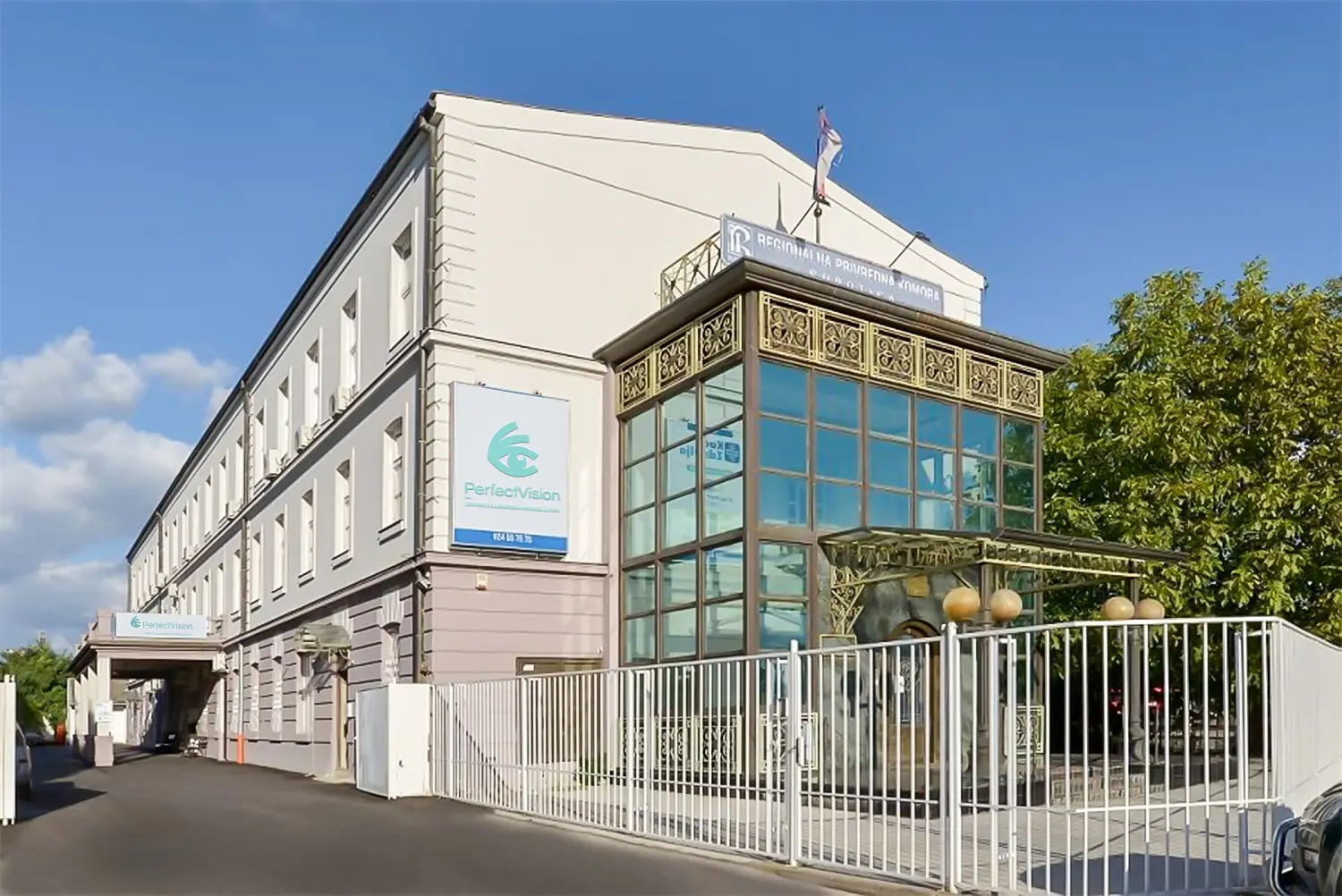


Perfect Vision is a Center for Laser Eye Surgery, located within the Polyclinic House of Health, based in Subotica. Visit us!


We have an ISO certificate according to ISO 9001: 2015, registration number 12 100 59137 TMS for the area of Diagnostic, Conservative and Surgical Ophthalmic Services, issued by the certification body TÜV NORD CERT GmbH.