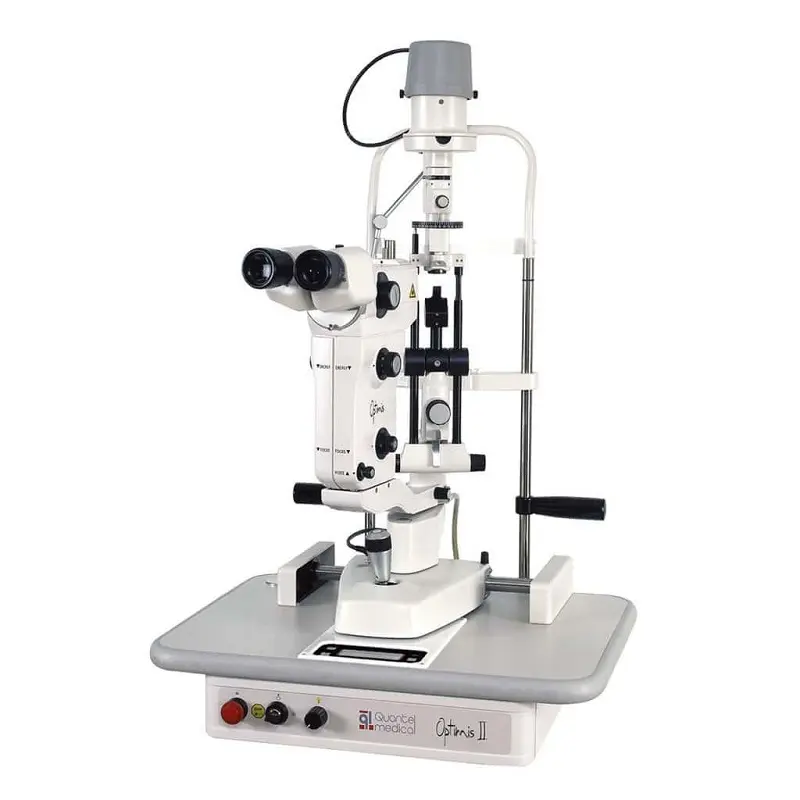
Optimis II Nd:YAG laser
Optimis II Nd:YAG laser is another laser device that comes from the prestigious French company Quantel Medical. This company has been a leader for decades in the development of laser technologies for medical, as well as industrial and scientific, use. The laser is mounted on a diagnostic microscope which, through a convergent optical path, provides the ophthalmologist with high quality LED illumination and an excellent stereoscopic view of the anterior and posterior segments of the eye. Advanced software and precise hardware allow the focus to be adjusted according to the ophthalmologist’s needs. Nd:YAG laser technology is highly reliable and efficient when it comes to flawless application of a laser beam with a Gaussian profile, achieved through a dual spot aiming system. Even in photodisruption of very dense membranes, this system does not require large amounts of energy, which reduces the risk of damage to ocular structures or inflammatory reactions. Procedures with the Optimis II laser after cataract surgery are completely safe for the artificial intraocular lenses implanted in the eyes. The laser emits short pulses of infrared electromagnetic radiation that are invisible to the human eye. The size of the spot on which the laser acts is 10 micrometers.

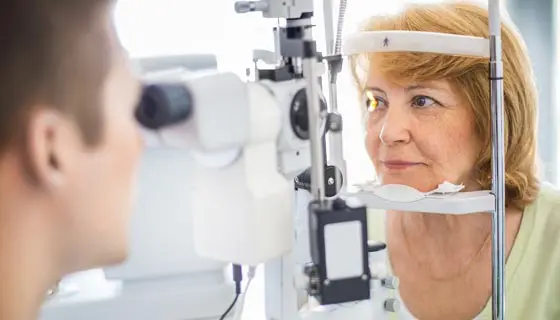
Nd:YAG laser therapy
Optimis II belongs to the group of Nd:YAG lasers with a wavelength of 1064 nm that are used in the treatment of specific pathological eye conditions, such as acute angle-closure glaucoma (and other types of angle-closure glaucoma) and secondary opacification of the capsule after cataract surgery and intraocular lens implantation (secondary cataract). Nd:YAG laser technology works on the principle of photodisruption, meaning it causes rupture of the tissue under the influence of the infrared laser. The Optimis II laser is used to perform photodisruption of tissue during peripheral iridotomy and capsulotomy procedures.
A safe alternative to surgery
Nd:YAG laser iridotomy involves laser removal of a small part of the iris and is the treatment of choice in cases of a sudden rise of intraocular pressure in angle-closure glaucoma. Unlike traditional surgical iridectomy, the use of the Optimis II Nd:YAG laser reduces the risk of extensive intraocular bleeding in patients with elevated eye pressure. The laser creates a small opening in the iris, allowing aqueous humor to flow from the posterior to the anterior chamber and thereby lowering intraocular pressure without the need for larger incisions in the eye. Nd:YAG laser iridotomy is also used as part of the preparation for cataract surgery in patients with glaucoma, to reduce the risk of a potential rise in intraocular pressure when the pupil is dilated.
Improved visual function
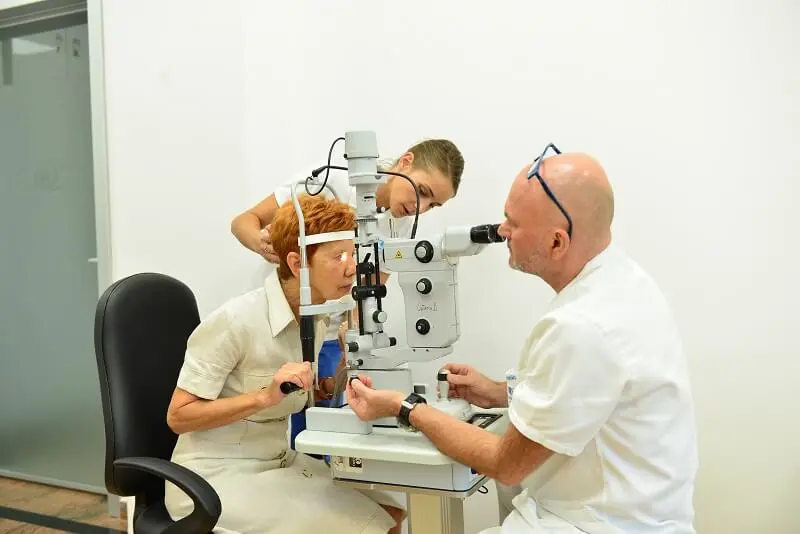
Nd:YAG laser capsulotomy is a laser procedure in which an opening is created in an opacified posterior capsule of the intraocular lens, in order to allow unobstructed passage of light to the photoreceptors on the retina. The capsule is a part of the natural crystalline lens and remains in the eye after cataract surgery (removal of the cloudy natural lens), so that an artificial intraocular lens can be positioned inside it. In around 30% of cases this capsule becomes cloudy again after several months or years, which is known as secondary cataract.
Fast, short procedure
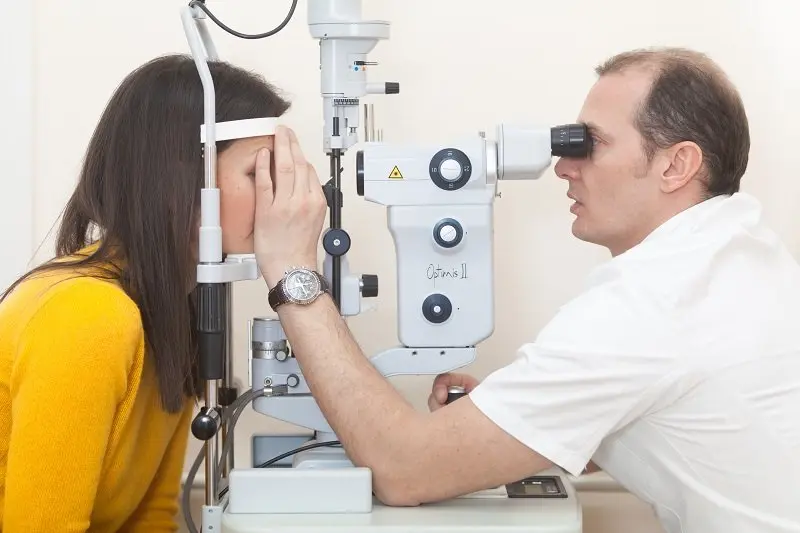
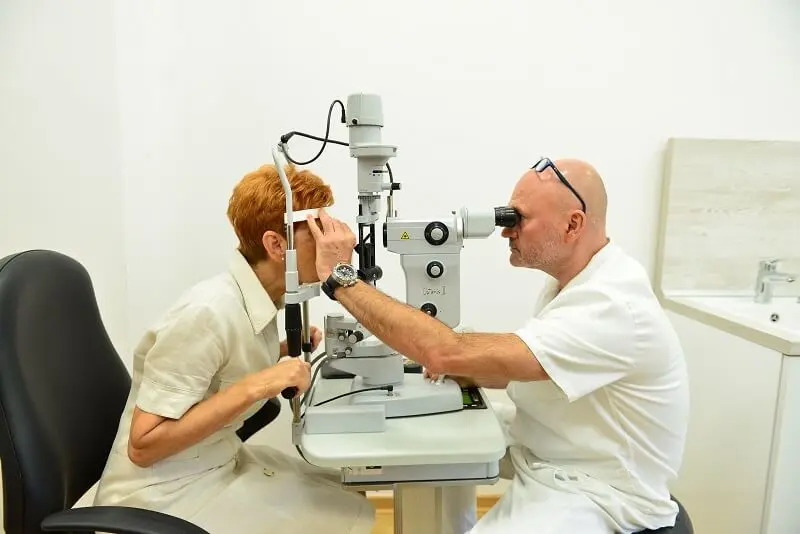
Before treatment with the Optimis II Nd:YAG laser, anesthetic eye drops are applied, which eliminate any possible discomfort the patient might feel. A special contact lens is placed on the eye, providing the ophthalmologist with adequate magnification and allowing precise focusing of the laser beam on the treatment area. The procedure itself is painless for the patient. Both peripheral iridotomy and capsulotomy require only 5-10 minutes of patient cooperation. After capsulotomy, the patient may temporarily notice a floating blur in front of the eye, but this quickly subsides and vision improves, returning to the level it had before the capsule became cloudy.
Relief after iridotomy
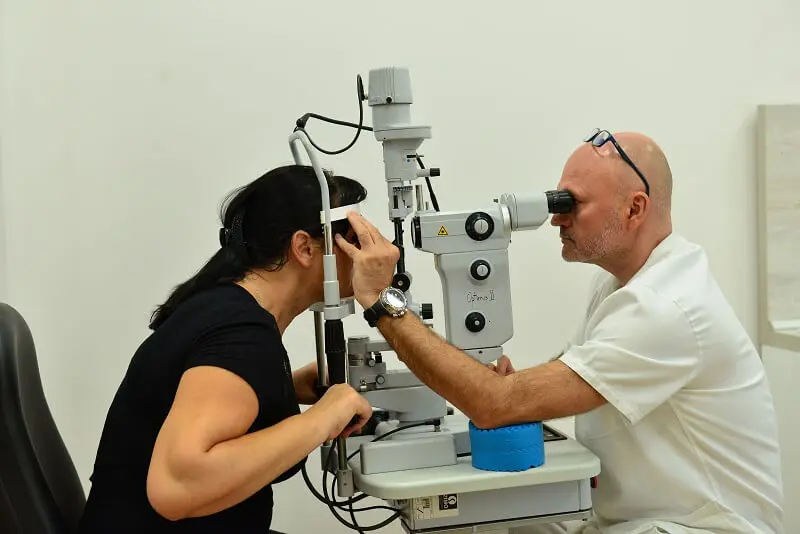
After iridotomy, most patients do not feel any particular change, or, in cases where the eye was painful due to elevated intraocular pressure before the procedure, they may feel relief and a reduction of pain. After both procedures, a follow up examination is required after 7 days, in the case of capsulotomy to check visual acuity and in the case of peripheral iridotomy to measure intraocular pressure.