Strabismus It is a disorder of the position of the eyeballs in which it is not possible to direct both lines of vision at the same time to the point that is being fixed. It can occur at any age, but is most common in children between the ages of 3 and 6. Strabismus can be:
CONVERGENT – eye turns inward
DIVERGENT – eye turns outward
VERTICAL – eye turns up or down
Strabismus in children
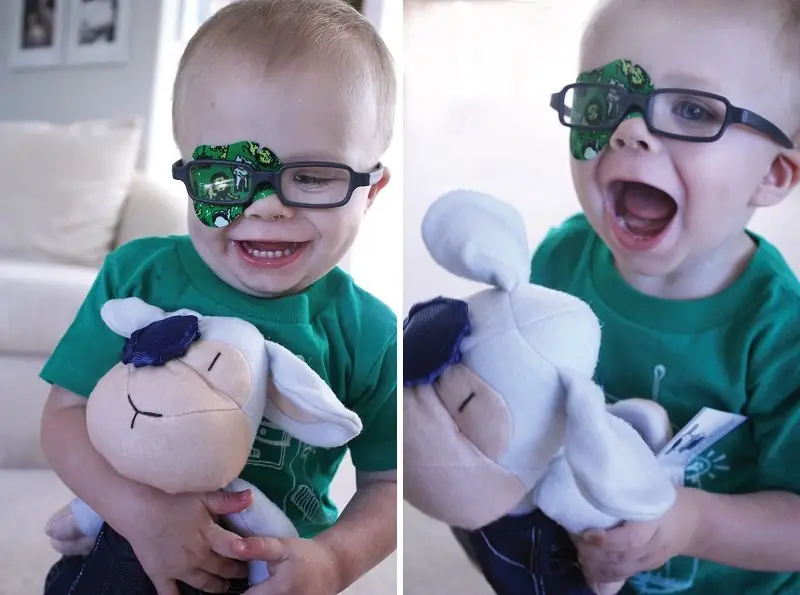
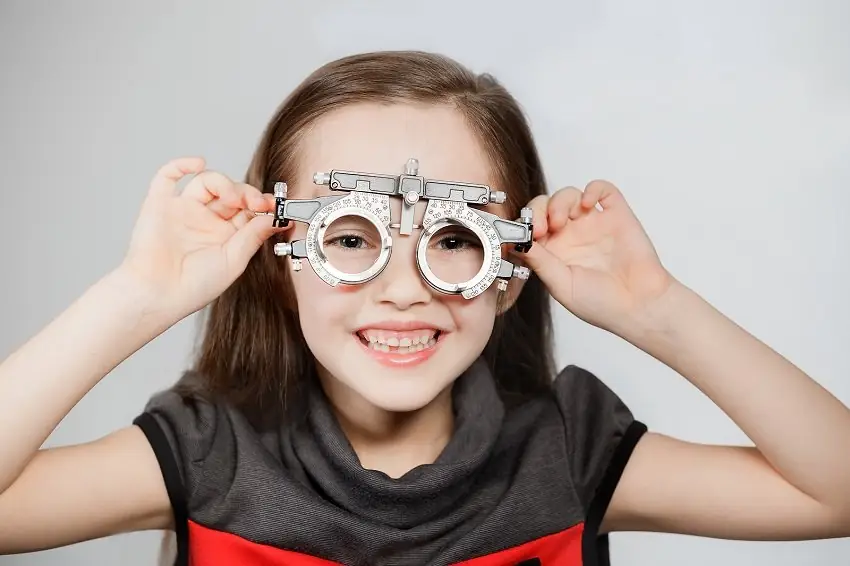
Untreated, inadequately or late-treated strabismus leads to the development of amblyopia because the brain, in order to avoid double images, ignores the image from the deflected eye, resulting in poor visual development. Methods of treatment depend on the type of strabismus, the degree of severity and age of the child, and include adequate determination of the refractive error, closure (occlusion) of the better eye and, if the ophthalmologist assesses that it is indicated, surgery is performed.
Strabismus in children
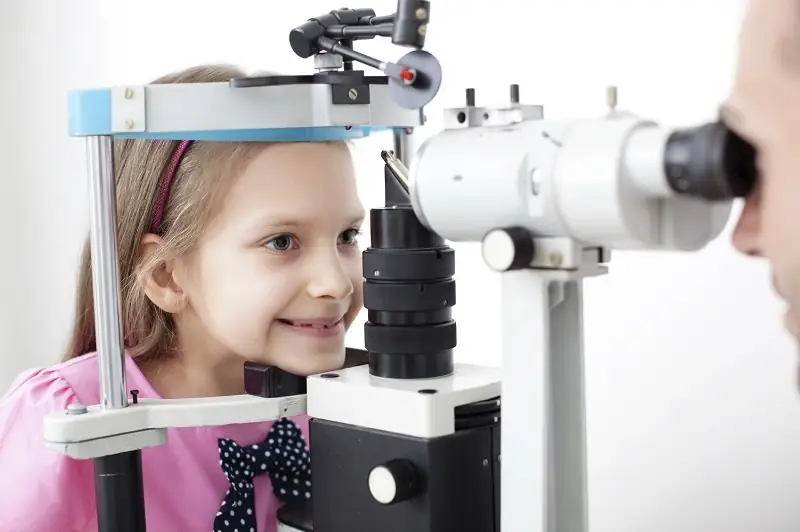
Eye deflection in children can be noticed by parents immediately after birth and is most often due to immaturity in the control of parallel eye movements by the cerebral cortex. For this reason, distemper up to 6 months of age can be considered physiological and can be tolerated. If there is still a deviation of the eye after the sixth month, it is necessary to be examined by an ophthalmologist in order to adequately and timely treat the disorder and thus prevent the development of amblyopia.